
ClickCease
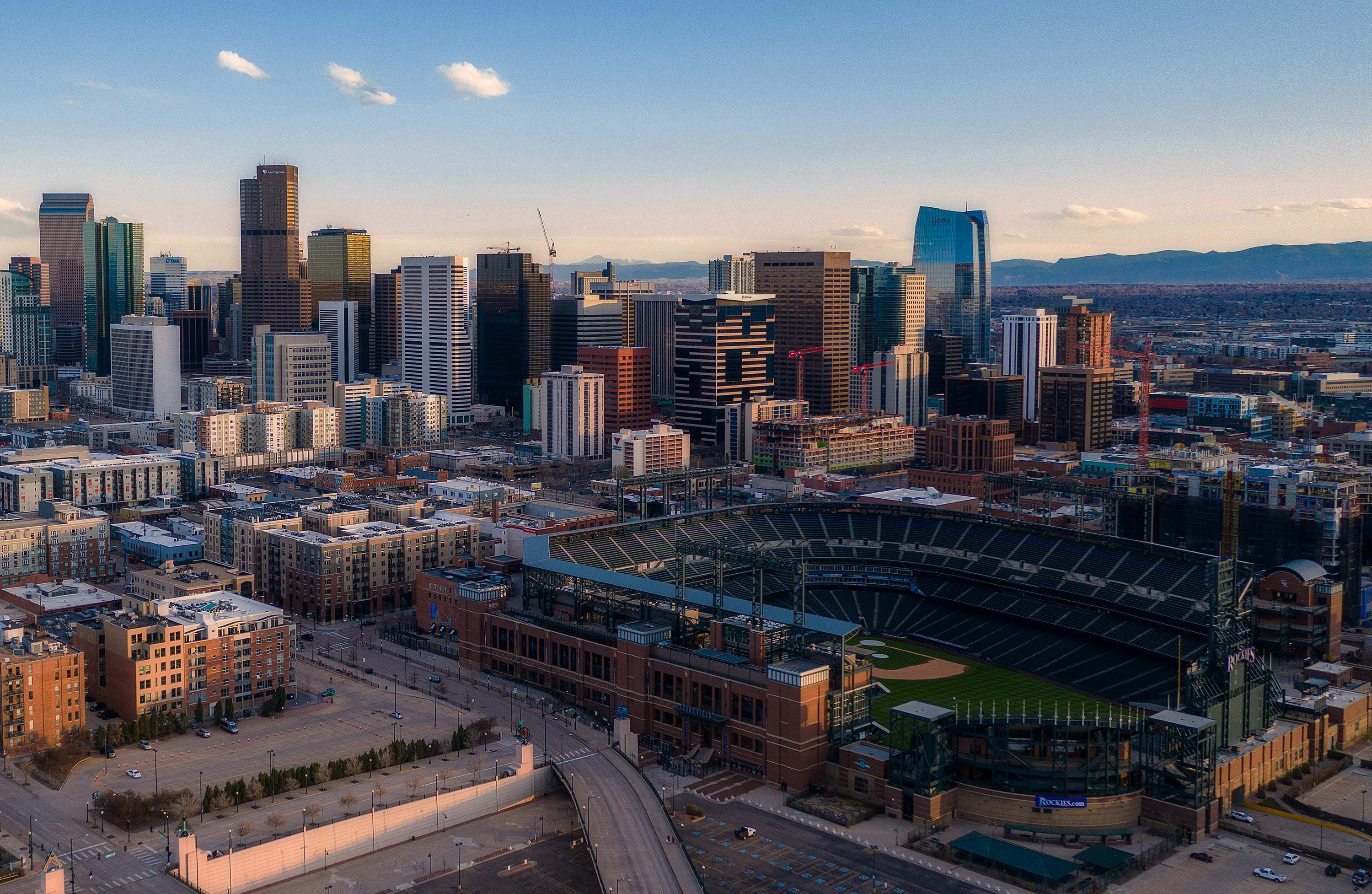
Pueblo, Colorado commercial corridor. CGH Injury Lawyers represents slip and fall victims in Pueblo and Pueblo County from our Denver office.
Pueblo, Colorado

Pueblo Slip and Fall Lawyers Who Build Premises Liability Claims to Full Value

A fall at a Pueblo grocery store, a commercial property on US 50, an apartment complex off Northern Avenue, or an icy public sidewalk can fracture bones, damage your spine, and upend your life in seconds. CGH Injury Lawyers serves Pueblo slip and fall victims from our Denver office, navigates the Premises Liability Act and the 182-day government-notice rule, and files in the Pueblo County District Court when an owner or insurer refuses to be fair. You pay nothing unless we win.

No fee unless we win

It's More Than Money.

Get my free Pueblo case review

100% confidential. No fee unless we win.

Serving Pueblo From Our Denver Office CGH Injury Lawyers 2701 Lawrence St., Suite 201 Denver, CO 80205 (303) 209-9395 Se habla espanol
5-star rated on Google ABOTA trial advocate on the team Trial lawyers, not a settlement mill 8 attorneys, bilingual EN / ES
  • Pueblo slip and fall cases are governed by Colorado's Premises Liability Act (C.R.S. 13-21-115). The duty a property owner owes you depends on whether you were an invitee, a licensee, or a trespasser when you fell. Most Pueblo shoppers at commercial properties on US 50, customers at businesses along Northern Avenue, and tenants in Pueblo apartment complexes qualify as invitees who are owed the highest duty of care.
  • Most Pueblo slip and fall injury claims must be filed within two years of the date of the fall (C.R.S. 13-80-102). If you fell on government property such as a City of Pueblo sidewalk, a public parking area, or property owned by Pueblo County, you must serve a written notice of claim within 182 days of discovering the injury (C.R.S. 24-10-109(1)) or the claim is permanently barred.
  • Colorado follows a modified comparative fault rule (C.R.S. 13-21-111). You can recover damages as long as you were less than 50 percent responsible for your fall. If a property owner or insurer argues you were 50 percent or more at fault, you recover nothing. Photographing the hazard immediately after a fall is one of the most important steps you can take to protect your recovery.

Pueblo's mix of aging commercial buildings along US 50, high-traffic retail zones near I-25, apartment complexes throughout the city, and significant winter ice and snow events on public sidewalks and parking lots creates real premises liability exposure for residents and visitors every year. CGH Injury Lawyers does not have a Pueblo office. We handle Pueblo slip and fall claims from our Denver office, file at the Pueblo County District Court at 320 W. 10th St. when a fair resolution is refused, and advance all costs so you pay nothing unless we recover for you.

The law that governs your case

How Colorado's Premises Liability Act decides what a Pueblo property owner owed you (C.R.S. 13-21-115)

Colorado does not use the traditional common-law negligence framework for most slip and fall cases. Instead, the Premises Liability Act classifies every visitor into one of three categories. That classification determines the exact duty the property owner owed you before you fell, and it shapes every demand letter, every negotiation, and every argument at the Pueblo County District Court that follows.

  1. Invitee: the highest duty of care

    When you enter a Pueblo store, restaurant, commercial property along US 50, or apartment complex as a customer or tenant, you are typically an invitee. You are there for the mutual benefit of both you and the property owner. The law requires the owner to actively inspect the property for dangerous conditions, repair them without undue delay, and warn you of hazards that cannot be fixed immediately. A Pueblo retailer that lets a spill sit on the floor untreated for thirty minutes while customers continue shopping owes you this highest standard. Falling short of it creates liability under C.R.S. 13-21-115.

  2. Licensee: a moderate duty

    A licensee enters the property with permission but primarily for their own benefit rather than for the owner's commercial advantage. Social guests at a private Pueblo home are the clearest example. The owner must warn a licensee of known dangers that are not obvious but has no duty to search for hidden hazards. The distinction between invitee and licensee can significantly affect whether your case succeeds, which is why establishing your exact legal status on the property is one of the first things we analyze in every Pueblo premises claim.

  3. Trespasser: a limited duty

    A trespasser enters without permission and is owed only protection from willful or wanton harm. However, special rules under the attractive nuisance doctrine protect child trespassers who are drawn onto a property by a condition that poses unreasonable danger, such as an unsecured construction site or an unfenced hazard on commercial property near a Pueblo residential neighborhood.

The large majority of Pueblo slip and fall victims who contact us were invitees: shoppers at a US 50 commercial property, customers at restaurants and retail stores, tenants in an apartment complex, or visitors to a medical or government facility. In those cases the owner's duty was at its highest, and a failure to inspect for floor hazards, clear ice from walkways, or maintain safe stair conditions creates clear legal liability under C.R.S. 13-21-115.

Where Pueblo falls happen

The dangerous conditions behind the most serious Pueblo slip and fall claims

Not every fall creates legal liability. The Premises Liability Act requires proof that a dangerous condition existed and that the owner knew or should have known about it. These are the hazards we investigate most often in Pueblo premises liability cases, shaped by the city's commercial corridors, elevation, and winter weather patterns.

Winter and outdoor hazards specific to Pueblo

  • Ice and packed snow left uncleared on commercial sidewalks and storefronts along US 50 and Northern Avenue long after a winter storm has passed
  • Refrozen ice patches in retail and commercial parking lots where snow was pushed but not removed, creating hidden hazards that look like dry pavement
  • Cracked and uneven pavement on commercial walkways and older sidewalks that freeze-thaw cycles have displaced over time
  • Pooling water and drainage problems at commercial properties adjacent to the Arkansas River corridor during rain and spring thaw events

Indoor and structural hazards at Pueblo properties

  • Wet entryways and tracked-in moisture without warning signs at Pueblo grocery stores, retail properties, and restaurants along the US 50 commercial corridor
  • Broken or missing stair handrails in older apartment complexes and multi-story commercial buildings throughout Pueblo
  • Poorly lit stairwells, parking areas, and building corridors where light fixtures are left unrepaired for extended periods
  • Loose floor mats, torn carpeting, and unmarked elevation changes at industrial and commercial properties near the I-25 and US 50 interchange zones

Pueblo sits at roughly 4,692 feet in elevation and receives significant winter ice and snow events each year. That seasonal hazard lands on every commercial sidewalk, loading dock, parking lot, and apartment entrance in the city. When a property owner along a busy Pueblo corridor ignores an icy or structurally deficient walkway well after a storm has passed, the rule that normally protects owners from winter liability disappears, and the owner becomes responsible for the resulting injuries.

Snow and ice cases

The natural accumulation rule and when a Pueblo property owner is still liable for a winter fall

Colorado follows the natural accumulation rule, which generally shields property owners from liability for ice and snow that falls naturally during a storm. Pueblo's documented winter hazard conditions mean this defense comes up often in local premises cases. Understanding exactly when it stops protecting an owner is essential to evaluating whether your Pueblo fall supports a claim.

When the natural accumulation rule still protects the owner

  • A storm is actively ongoing and accumulation is still in progress
  • The fall occurs so soon after snowfall ends that a reasonable owner could not yet have cleared the surface
  • The condition is the ordinary result of natural weather and nothing the owner did created or worsened it

When the owner can still be held liable

  • Enough time has passed after a storm that a reasonable Pueblo property owner should have cleared or treated the surface, and nothing was done
  • The owner began snow removal but did it negligently, pushing snow into a pile that refroze into a hidden ice patch across a walkway or parking lot entrance
  • The property's drainage or slope design caused water to run onto a walkway and freeze in a location that a reasonable inspection would have identified as hazardous

Recent Colorado appellate decisions have narrowed the natural accumulation rule when a property owner takes action to clear snow and does so carelessly. The moment an owner begins snow removal and creates a new hazard in the process, the natural accumulation defense is no longer available. On the commercial corridors along US 50 and Northern Avenue, where businesses receive regular foot traffic from parking lots through winter months, the expectation of timely and competent snow and ice removal is well established.

Falls on government property

The 182-day deadline for falls on Pueblo city or government property

Pueblo has its own city parks, public sidewalks, government buildings, and publicly maintained facilities. If your fall happened on any of those, you do not have the standard two-year window to act. The Colorado Governmental Immunity Act imposes a far shorter deadline, and most people miss it because they do not know it exists.

  1. File a written notice within 182 days

    Under C.R.S. 24-10-109(1), you must file a formal written notice of claim within 182 days of discovering the injury. That notice must go to the correct government entity, whether the City of Pueblo, Pueblo County, or another public body. Missing this deadline almost always ends the claim permanently, regardless of how clear-cut the facts are in your favor. Note that the 182-day clock runs from the date you discover the injury, not necessarily the date you fell.

  2. Identify the right government entity

    A Pueblo sidewalk may be the responsibility of the city, the county, or a state agency depending on how and where it was built. The notice must reach the correct entity, and getting it wrong can be as fatal as missing the deadline. We identify who owns and maintains the property before the first notice is sent.

  3. Satisfy the statutory content requirements

    A valid CGIA notice must state the time, place, and circumstances of the injury, the nature of the harm, and what is being claimed. An incomplete notice can be rejected the same as a late one. We prepare and serve the notice to the correct entity with the content the statute requires.

  4. Confirm that a CGIA immunity exception applies

    The CGIA grants immunity for many government activities, but falls on dangerous conditions of public buildings, public sidewalks, and certain public property can fall within recognized exceptions. We evaluate whether your specific Pueblo fall fits an exception before pursuing the claim further.

If your fall in Pueblo happened on a city sidewalk, in a public building, at a park, or anywhere else that a government entity owns or controls, call (303) 209-9395 right away. The 182-day CGIA notice deadline is not extended and is not subject to the same discovery-rule flexibility that sometimes softens other statutes of limitations. Missing it ends the claim.

Local knowledge

Pueblo courts. Pueblo trauma care. Pueblo slip and fall corridors.

A Pueblo slip and fall case is filed in Pueblo courts, treated at Pueblo medical facilities, and built on the specific roads and properties where Pueblo residents live and shop. Here is the ground we work on.

Courthouse

Pueblo County District Court, 10th Judicial District, 320 W. 10th St.

A Pueblo slip and fall lawsuit that exceeds the county-court jurisdictional limit is filed in the 10th Judicial District of Colorado at the Pueblo County District Court, 320 W. 10th St., Pueblo, CO 81003. Unlike many Colorado cities whose residents must travel to a distant county seat, Pueblo has its own dedicated district court in the city center. The jury pool is drawn from Pueblo County residents. The local defense firms and insurance adjusters your claim faces know this courthouse and the 10th Judicial District procedures. We file and try Pueblo County premises liability cases directly in this court.

Trauma Care

UCHealth Parkview Medical Center (Level II Trauma) and St. Mary-Corwin Medical Center

UCHealth Parkview Medical Center is Pueblo's primary trauma facility, designated a Level II Trauma Center. That designation means it is equipped to handle severe injury presentations, including the fractures, spinal injuries, and traumatic brain injuries that serious slip and fall incidents produce, without requiring transfer to Denver. When a fall sends a Pueblo resident to Parkview, the trauma records, imaging studies, and treatment notes from that facility become the medical backbone of the damages claim. St. Mary-Corwin Medical Center also serves the Pueblo community and provides additional care options for injured Pueblo residents. We request and work with hospital records and billing systems from both facilities at the outset of every serious Pueblo premises case.

High-Risk Slip and Fall Corridors

US 50 (Pueblo Blvd.), Northern Avenue (SH-45), I-25 commercial zones, and US 96

US Highway 50, running east-west through Pueblo as Pueblo Boulevard, is one of the primary commercial freight and retail corridors in southern Colorado. The commercial properties, loading areas, and parking lots that line US 50 produce regular premises liability exposure, from loading-dock fall hazards to icy retail parking lot entrances in winter. Northern Avenue (State Highway 45) is a major north-south surface arterial through the northern part of the city with dense commercial and retail activity along its length. Both corridors carry substantial foot traffic from customers who are invitees at the highest duty level under C.R.S. 13-21-115. The interchange zones where I-25 meets local surface streets also generate commercial property fall risk, and US 96 extending east from Pueblo adds rural and light-commercial premises exposure in the eastern corridor. When a fall happens on or near any of these routes, preserving the physical evidence, surveillance footage, and maintenance records tied to the specific property is the first priority.

Building the case

Proving notice and defeating the open-and-obvious defense in Pueblo slip and fall cases

To win a Pueblo premises liability case, you must show the property owner knew or should have known about the dangerous condition. Property owners routinely contest both types of notice and raise the open-and-obvious defense as a shield. Here is how those arguments work and how we counter them.

Actual notice: what the owner was told

  • A prior complaint or incident report filed with the property about the same hazard
  • A staff member who saw the spill, the broken stair, or the icy patch and did nothing
  • Written or oral communications to management about the dangerous condition before your fall

Constructive notice: what the owner should have found

  • The hazard existed long enough that a reasonable inspection would have discovered and fixed it
  • Maintenance logs that show the property was not being inspected on the schedule the owner claims
  • Surveillance footage showing how long the dangerous condition was present before the fall

The open-and-obvious defense

Insurance adjusters and defense attorneys in Pueblo slip and fall cases frequently argue that the hazard was open and obvious, meaning a reasonable person paying ordinary attention would have seen and avoided it. Under Colorado law, if a danger is truly open and obvious, the owner may have a reduced duty to warn. But that defense is not a blanket shield. Recent Colorado Court of Appeals decisions have limited its reach when an owner creates an unreasonably dangerous condition or when circumstances made the hazard difficult to avoid even if technically visible. A spill on a glossy floor under retail lighting, ice that looks like wet pavement, or a missing stair riser in a dimly lit stairwell can each face and defeat this defense with the right evidence. Surveillance footage, maintenance records, photographs of the scene, and witness accounts of lighting and visibility conditions are what separate a dismissed open-and-obvious claim from a successful one.

I wish I could leave more than 5 stars!
Grace M., 5-star CGH Injury Lawyers client review
Compensation

What you can recover in a Pueblo slip and fall case, even if you were partly at fault

Colorado follows a modified comparative negligence rule with a 50 percent bar under C.R.S. 13-21-111. If you were partly at fault for your fall, you can still recover as long as you were less than 50 percent responsible. Your award is reduced by your share of fault. At 50 percent or more, you recover nothing. Pueblo property owners and their insurers know this rule well and routinely argue that you share fault. The way you document the scene and the sequence of events from the moment of the fall determines how well that argument can be challenged.

Economic damages

  • Medical bills, both past treatment and projected future care
  • Lost wages during recovery and loss of earning capacity if the injury affects your ability to work
  • Rehabilitation costs, physical therapy, and long-term care needs
  • Out-of-pocket expenses directly tied to the fall and its aftermath

Non-economic and impairment damages

  • Pain and suffering, emotional distress, and loss of enjoyment of life
  • Permanent disability or diminished quality of life from your injury
  • Physical impairment and disfigurement damages, which are not capped under Colorado law

Colorado does not cap economic damages such as medical bills, lost wages, and future care costs in premises liability cases. Non-economic damages such as pain and suffering are subject to the general statutory cap under C.R.S. 13-21-102.5, which stands at $1,500,000 for claims that accrue on or after January 1, 2025. Compensation for physical impairment or disfigurement is not capped at all. When a Pueblo fall produces serious orthopedic injuries, spinal damage, or a traumatic brain injury treated at UCHealth Parkview Medical Center, the physical impairment category often carries the largest portion of the claim's value, precisely because it is uncapped. We work with medical and economic experts to fully document every category the law allows.

If a government entity is at fault for your Pueblo fall, different limits apply. Under C.R.S. 24-10-114, CGIA damage caps for claims accruing on or after January 1, 2026, are $505,000 per person and $1,421,000 in the aggregate per incident. These caps are separate from the general non-economic cap and apply to the total recovery against any government defendant.

After a fall in Pueblo

What to do after a slip and fall at a Pueblo property

Evidence in premises liability cases disappears fast. Surveillance footage is overwritten, spills are cleaned, and icy patches are treated before anyone photographs them. The steps you take in the first hours and days after a Pueblo fall directly affect whether the evidence survives to support your claim.

  1. Get medical care immediately

    Serious fall injuries in Pueblo are often treated at UCHealth Parkview Medical Center, the city's Level II Trauma Center, or at St. Mary-Corwin Medical Center. Even a fall that feels minor can involve spinal compression, nerve damage, or internal injury that does not produce full symptoms for hours or days. Get evaluated right away, follow every treatment recommendation, and keep every record, bill, and discharge instruction. A gap in treatment is one of the first things insurance adjusters use to argue your injury was not serious.

  2. Document the scene before you leave

    Photograph the hazard that caused your fall, the surrounding area, the lighting conditions, and any warning signs or lack of them. Photograph your injuries. Get the name and contact information of any witnesses before they leave. If you fell at a business on US 50 or along Northern Avenue, ask to speak with a manager and request that they preserve the surveillance footage. Businesses routinely overwrite footage within 24 to 72 hours unless preservation is requested in writing.

  3. Know your deadlines before you act

    Most Pueblo slip and fall claims against private property owners must be filed within two years of the fall date (C.R.S. 13-80-102). If any part of your fall involves a public sidewalk, a City of Pueblo park, a government building, or any property owned or maintained by a public entity, the 182-day CGIA notice requirement (C.R.S. 24-10-109(1)) applies and the clock starts from when you discover the injury. That shorter deadline arrives well before most people even finish treating their injuries.

  4. Call us before giving any statement

    The property owner's insurer may call within hours or days of your fall. Do not give a recorded statement or sign any release before speaking with us. Recorded statements given without legal counsel are one of the most reliable ways to reduce the value of your own premises liability claim. Reach us at (303) 209-9395 from anywhere in Pueblo or Pueblo County before making contact with the insurer.

  5. We build and file your claim

    We send a preservation letter for surveillance footage and maintenance records, establish your visitor status under C.R.S. 13-21-115, and build the notice record that proves the property owner knew or should have known about the hazard. We document every category of loss and file in the Pueblo County District Court at 320 W. 10th St. when the insurer refuses a fair resolution. Every step is handled at no upfront cost, on full contingency.

Your team

The attorneys handling your Pueblo slip and fall case

CGH Injury Lawyers is a eight-attorney Colorado firm founded in 2016, formerly Cheney Galluzzi and Howard. Managing Partner Kevin Cheney is a member of the American Board of Trial Advocates (ABOTA) and has tried over 25 cases to verdict. Timothy G. Tarr has been recognized by Best Lawyers every year since 2023. Every Pueblo premises liability case is handled by a licensed Colorado attorney who knows the 10th Judicial District and files directly in Pueblo County District Court when litigation is necessary. CGH Injury Lawyers does not have a Pueblo office. We serve Pueblo from our office at 2701 Lawrence St., Suite 201, Denver, CO 80205, and come to you.

ABOTA member on the team Tim Tarr: Best Lawyers in America since 2023 Over 25 cases to verdict Files in 10th Judicial District Bilingual EN / ES Free consultation No fee unless we win
Frequently asked questions

Pueblo slip and fall: frequently asked questions

How long do I have to file a slip and fall claim in Pueblo?

Most Pueblo slip and fall claims against a private property owner must be filed within two years of the date of the fall (C.R.S. 13-80-102). If the fall happened on government-owned property, a public sidewalk, a city building, or any property maintained by the City of Pueblo or Pueblo County, you must serve a written notice of claim within 182 days of discovering the injury (C.R.S. 24-10-109(1)). Missing that government notice deadline bars the claim permanently. Do not wait to find out which deadline applies to your situation.

Can I sue the City of Pueblo if I fell on a city sidewalk?

Yes, but you must comply with the Colorado Governmental Immunity Act. A written notice of claim must be served on the City of Pueblo within 182 days of discovering the injury (C.R.S. 24-10-109(1)). Cities and counties can be liable for dangerous sidewalk and property conditions when they had actual or constructive notice of the hazard and failed to fix it, and when a recognized immunity exception applies. If a government entity is at fault, CGIA damage caps apply: $505,000 per person and $1,421,000 aggregate for claims accruing on or after January 1, 2026 (C.R.S. 24-10-114).

What if the property owner says the icy patch was open and obvious?

The open-and-obvious defense is commonly raised in Pueblo slip and fall cases, especially winter ice and snow claims. It is not an automatic win for the property owner. Colorado courts have limited the defense when an owner creates an unreasonably dangerous condition or when conditions made the hazard difficult to avoid even if visible. Ice that resembles wet pavement, a spill on a reflective commercial floor, or a poorly lit stairwell with a missing tread are examples where this defense has failed. Photographs, surveillance footage, and maintenance records are how we challenge it.

I was partly at fault for my fall at a Pueblo business. Can I still recover?

Often yes. Colorado follows a modified comparative negligence rule under C.R.S. 13-21-111. If you were less than 50 percent at fault, you can still recover. Your award is reduced by your percentage of fault. For example, if you are found 25 percent at fault, you recover 75 percent of the damages. At 50 percent or more at fault, you recover nothing. Property owners and insurers routinely argue shared fault to reduce what they owe. Strong documentation of the hazard and the scene is the best way to push back against that argument.

Does Colorado cap what I can recover for a Pueblo slip and fall?

Economic damages such as medical bills, lost wages, and future care costs are not capped under Colorado law. Non-economic damages such as pain and suffering are subject to the general cap under C.R.S. 13-21-102.5, which stands at $1,500,000 for claims accruing on or after January 1, 2025. Compensation for physical impairment and disfigurement is not capped at all. When a Pueblo fall causes a serious fracture, spinal injury, or brain injury, the uncapped impairment category often drives the most significant portion of the total recovery.

Does CGH have a Pueblo office?

No. CGH Injury Lawyers does not have a Pueblo office. We have one office, at 2701 Lawrence St., Suite 201, Denver, CO 80205. We serve Pueblo and Pueblo County slip and fall clients from that Denver office, file premises liability cases at the Pueblo County District Court at 320 W. 10th St., and meet you where it is convenient for you. Reach us at (303) 209-9395.

It's More Than Money.

You fell on someone else's property in Pueblo. We handle everything else.

Free consultation. No fee unless we win. Serving Pueblo and all of Pueblo County from our Denver office. Available in English and Spanish.

Tell us what happened in Pueblo

100% confidential. No fee unless we win.

Read next: Colorado slip and fall law: what you need to know statewide

CGH Injury Lawyers · 2701 Lawrence St., Suite 201, Denver, CO 80205 · Serving Pueblo and Pueblo County