
Burn Injury Degrees, Treatment & Liability in Colorado: A Survivor’s Guide
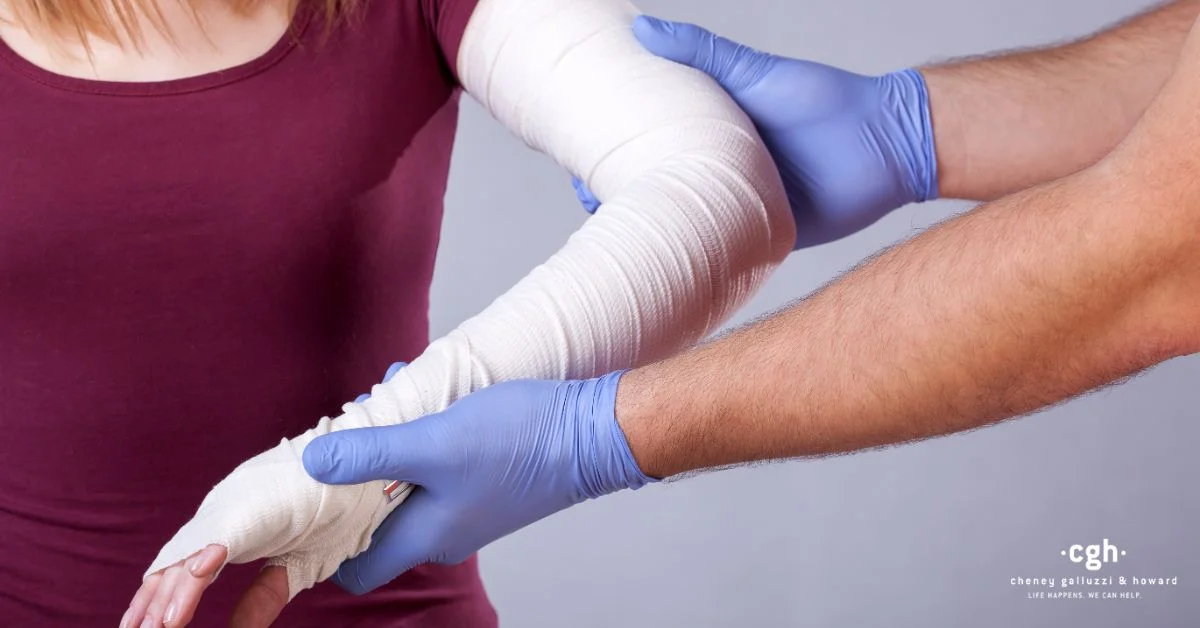
Burn injuries are classified into four degrees based on tissue depth and damage severity. In Colorado, the degree of your burn directly impacts both your medical treatment pathway and your legal claim value. First-degree burns affect only the outer skin layer (epidermis), while fourth-degree burns extend through all tissue layers to bone—requiring years of reconstructive surgery and rehabilitation. Understanding this classification system is the first step in protecting both your health and your legal rights.
Need Legal Representation for Your Colorado Burn Injury?
If you or a loved one has suffered a severe burn due to someone else’s negligence, you may be entitled to compensation that covers not just your immediate medical bills, but decades of future care. Our firm handles:
- Premises Liability Claims for Fire & Burn Injuries – Landlord negligence, unsafe conditions, and building code violations
- Wrongful Death Claims for Fatal Burn Accidents – When catastrophic burns result in loss of life
- Workplace Injury & Third-Party Burn Claims – Industrial accidents beyond workers’ compensation
- Product Liability for Defective Equipment Burns – Faulty heaters, appliances, and safety equipment
Don’t accept an insurance settlement until you understand the true, long-term cost of your injury. Get a free case review →
Understanding Burn Injury Degrees: The Medical Classification System
The American Burn Association uses a four-tier system to classify burn severity. Each degree represents not just the depth of tissue damage, but also the expected recovery timeline and the likelihood of permanent scarring or disability.
First-Degree Burns (Superficial)
First-degree burns damage only the epidermis (outer skin layer). Common causes include brief contact with hot surfaces or mild sunburn. Symptoms include redness, minor swelling, and pain without blistering.
Treatment: Over-the-counter pain relief, cool compresses, and moisturizing lotions. These burns typically heal within 3–7 days without scarring.
Legal Note: First-degree burns rarely justify personal injury claims unless they occur as part of a larger pattern of negligence (e.g., a landlord’s repeated failure to fix a scalding water issue).
Second-Degree Burns (Partial-Thickness)
Second-degree burns penetrate the epidermis and reach the dermis (second skin layer). They are subdivided into:
- Superficial Partial-Thickness: Painful, red, and blistered. Heal in 2–3 weeks with minimal scarring.
- Deep Partial-Thickness: Damage hair follicles and sweat glands. May appear white or yellow. Require 3–8 weeks to heal and often leave permanent scars.
Treatment: Professional wound care, debridement (removal of dead tissue), topical antibiotics, and sometimes skin grafting for deep burns. Infection risk is significant.
Legal Note: Deep second-degree burns that cause permanent scarring or disfigurement can support substantial non-economic damage claims in Colorado, especially when they affect visible areas like the face, neck, or hands.
Third-Degree Burns (Full-Thickness)
Third-degree burns destroy the epidermis and dermis entirely, reaching the subcutaneous fat layer. The skin may appear white, charred, or leathery. Paradoxically, these burns are often less painful initially because nerve endings are destroyed.
Treatment: Immediate hospitalization, surgical debridement, and skin grafting are required. Recovery involves months of rehabilitation, including physical therapy to prevent contractures (permanent tightening of skin and muscles). Multiple revision surgeries are common over a lifetime.
Legal Note: Third-degree burns require a Life Care Plan—a detailed economic analysis of all future medical costs, including graft revisions, scar management, psychological counseling, and lost earning capacity. These cases often reach six- or seven-figure settlements.
Fourth-Degree Burns (Deep Full-Thickness)
Fourth-degree burns extend through all skin layers into muscle, tendon, and bone. They are catastrophic injuries often caused by prolonged exposure to fire, electrical current, or industrial chemicals.
Treatment: Emergency escharotomy (surgical incision to relieve pressure), amputation of non-viable tissue, and long-term reconstructive surgery. Survival depends on the percentage of body surface area affected and the speed of medical intervention.
Legal Note: Fourth-degree burns frequently result in wrongful death or permanent disability claims. Colorado law allows surviving family members to pursue damages for loss of companionship, financial support, and funeral expenses under C.R.S. § 13-21-203.
Burn Treatment Realities: From Emergency Care to Long-Term Rehabilitation
Understanding the medical journey ahead is critical—not just for your recovery, but for building a legal case that reflects the true cost of your injury.
The Emergency Phase (Days 1–7)
Burn victims are often transported to specialized facilities like the UCHealth Burn Center in Aurora, one of only 67 verified burn centers in the United States. Initial treatment focuses on:
- Fluid resuscitation to prevent shock
- Pain management (often requiring IV opioids)
- Infection prevention through sterile wound care
- Airway protection if inhalation injury is suspected
The Surgical Phase (Weeks 2–8)
For second-, third-, and fourth-degree burns, surgery is inevitable. The two primary procedures are:
- Debridement: Removal of dead or infected tissue to promote healing. This process is excruciatingly painful and may require multiple sessions.
- Skin Grafting:
- Autograft: Healthy skin is harvested from another part of the patient’s body (often the thigh or back) and transplanted to the burn site. This is the gold standard but creates a secondary wound.
- Allograft (Donor Skin) or Xenograft (Animal Skin): Temporary solutions used when the patient lacks sufficient healthy skin. These grafts are eventually replaced with autografts.
The Rehabilitation Phase (Months to Years)
Physical therapy begins almost immediately to prevent contractures—a condition where burned skin and underlying tissue tighten, restricting movement. Patients may require:
- Pressure garments worn 23 hours per day for up to two years
- Occupational therapy to relearn daily tasks
- Psychological counseling for PTSD, depression, and body image issues
The Hidden Costs: Why Initial Medical Bills Tell Only 10% of the Story
Insurance companies focus on your emergency room bill and initial surgery costs. They ignore:
- Graft revision surgeries (often needed every 5–10 years as skin ages)
- Laser scar reduction treatments (not covered by most insurance)
- Lost wages during months or years of recovery
- Diminished earning capacity if disfigurement limits career options
- Home modifications (wheelchair ramps, grab bars for mobility-impaired patients)
This is why a Life Care Plan, prepared by a medical economist, is essential in third- and fourth-degree burn cases. It calculates the present value of all future expenses—often totaling millions of dollars.
Burn Injury Liability in Colorado: Who Pays for Your Recovery?
Not all burn injuries are “accidents.” Many result from preventable negligence. Colorado law recognizes several liability pathways.
Premises Liability: Landlords and Property Owners
Under the Colorado Premises Liability Act (C.R.S. § 13-21-115), property owners owe a duty of care to lawful visitors. Common burn injury scenarios include:
- Faulty wiring or gas lines (e.g., Capitol Hill’s aging infrastructure)
- Lack of smoke detectors or sprinkler systems in multi-family housing
- Scalding water from improperly calibrated water heaters
- Defective appliances (space heaters, stoves) provided by landlords
Key Legal Distinction: Colorado distinguishes between invitees (tenants, customers) and licensees (social guests). Invitees receive the highest duty of care. Property owners must regularly inspect for hazards and warn of known dangers.
Industrial and Workplace Burns: Third-Party Claims
Colorado is home to high-risk industries—oil and gas refineries (Suncor in Commerce City), manufacturing plants, and construction sites. While workers’ compensation provides immediate medical coverage, it severely limits your total recovery.
The Third-Party Solution: If your burn was caused by a contractor, equipment manufacturer, or other non-employer entity, you can file a third-party personal injury claim in addition to workers’ comp. This allows you to recover:
- Full lost wages (not the 2/3 cap under workers’ comp)
- Non-economic damages (pain, suffering, disfigurement)
- Punitive damages (if gross negligence is proven)
Example: An electrician burned by a defective circuit breaker can pursue workers’ comp against his employer and a product liability claim against the breaker manufacturer.
Product Liability: Defective Equipment
Colorado follows strict liability principles for defective products. You do not need to prove the manufacturer was “negligent”—only that:
- The product was defective (design flaw, manufacturing defect, or inadequate warnings)
- The defect caused your injury
- You were using the product as intended
Common culprits include space heaters, pressure cookers, lithium-ion batteries, and industrial machinery.
Comparative Negligence: Can You Still Recover If You Were Partially at Fault?
Yes. Colorado uses a modified comparative negligence system (C.R.S. § 13-21-111). You can recover damages as long as you are less than 50% at fault. Your award is reduced by your percentage of fault.
Example: You left a stove unattended (20% fault), but your landlord failed to install a required fire extinguisher (80% fault). You can still recover 80% of your total damages.
The Degree-to-Damages Framework: How Medical Severity Drives Legal Strategy
Most law firms separate medical facts from legal strategy. We connect them. Here’s how the degree of your burn directly determines the structure of your legal claim:
| Burn Degree | Primary Medical Need | Corresponding Legal Demand | Typical Case Value |
| 1st Degree | Topical care, pain relief | Medical bills, lost wages (minimal) | $500–$5,000 (rarely litigated) |
| 2nd Degree (Superficial) | Wound care, infection prevention | Medical bills, short-term lost wages | $5,000–$25,000 |
| 2nd Degree (Deep) | Skin grafting, scar management | Medical bills, permanent scarring (non-economic damages), future cosmetic procedures | $25,000–$150,000+ |
| 3rd Degree | Multiple surgeries, skin grafts, physical therapy, psychological care | Life Care Plan (future medical), lost earning capacity, permanent disfigurement, pain & suffering | $150,000–$1,000,000+ |
| 4th Degree | Amputation, long-term reconstructive surgery, disability care | Life Care Plan, total disability, loss of enjoyment of life, potential wrongful death claim | $500,000–$5,000,000+ |
Why This Matters: Insurance adjusters will offer you a settlement based on your current medical bills. They will not volunteer to pay for the skin graft revision you’ll need in 2030, or the occupational retraining required because your scarred hands can no longer perform your trade. A trial-tested attorney forces them to account for the full medical reality.
Common Burn Injury Scenarios in Colorado
Industrial and Oil & Gas Accidents
The Suncor Energy Refinery in Commerce City and similar facilities across Weld County expose workers to chemical burns, flash fires, and explosions. These cases often involve:
- Inadequate safety training
- Defective personal protective equipment (PPE)
- Violation of OSHA regulations
- Third-party contractor negligence
Apartment Fires and Landlord Negligence
Denver’s aging housing stock—particularly in neighborhoods like Capitol Hill and Five Points—presents fire hazards including outdated electrical systems, gas line leaks, and missing smoke detectors. Landlords who defer maintenance can be held liable under premises liability law.
Defective Heating Appliances
Colorado’s cold winters drive demand for space heaters, many of which are recalled due to fire risk. If a defective product caused your burn, the manufacturer, distributor, and retailer may all share liability.
Vehicle Fire Accidents
Post-collision fires can trap occupants, causing catastrophic burns. These cases may involve multiple defendants: the at-fault driver, the vehicle manufacturer (if a fuel system defect contributed), and even the road authority (if poor design caused the crash).
Why Choose Cheney Galluzzi & Howard for Your Burn Injury Claim?
We don’t just argue for a settlement—we build a Medical-Legal Recovery Roadmap. Our approach:
- Trial-Tested Advocacy: Kevin Cheney’s leadership as CTLA Treasurer and ABOTA member ensures your case is prepared for trial from day one. Insurance companies know we don’t fear the courtroom.
- Life Care Plan Expertise: The team at Cheney Galluzzi & Howard partner with medical economists, burn surgeons, and vocational experts to calculate the true, lifetime cost of your injury—not just the bills you’ve received so far.
- Compassionate Guidance: Burn recovery is a marathon, not a sprint. We connect you with medical providers who work on liens (no upfront costs) and keep you informed at every stage.
- No Fee Unless We Win: You focus on healing. We front all investigation costs (fire origin experts, medical records, depositions) and only get paid if you do.
Get a Free Burn Injury Case Review: Contact us today →
Frequently Asked Questions (FAQs)
How long does a burn injury settlement take in Colorado?
Minor burns may settle in 3–6 months. Catastrophic burns (third- and fourth-degree) often take 1–3 years because you must reach maximum medical improvement (MMI) before finalizing a claim. Settling too early means you waive the right to future compensation—even if complications arise later.
What is the average settlement for a third-degree burn in Colorado?
There is no “average.” Settlement value depends on:
- Total body surface area (TBSA) affected
- Location of burns (face and hands command higher non-economic damages)
- Your age and occupation (younger victims and high earners have greater lost earning capacity)
- Defendant’s degree of fault (gross negligence may trigger punitive damages)
Reputable attorneys do not quote averages—they build individualized Life Care Plans.
Can I sue my employer for a workplace burn injury?
Generally, no. Colorado’s workers’ compensation system provides “exclusive remedy,” meaning you cannot sue your employer for negligence. However, you can pursue third-party claims against equipment manufacturers, subcontractors, or property owners whose negligence contributed to your injury.
Is it worth hiring a lawyer for a burn injury?
If your burn is second-degree or higher, yes. Insurance companies employ teams of lawyers and medical experts to minimize payouts. You need an advocate who understands both the medical complexities (debridement, grafting, contractures) and the legal nuances (CPLA, comparative negligence, Life Care Plans).
What is the statute of limitations for burn injury claims in Colorado?
You generally have two years from the date of injury to file a personal injury lawsuit (C.R.S. § 13-80-102). However, exceptions exist:
- Discovery Rule: If the full extent of your injury wasn’t immediately apparent, the clock may start when you discovered (or should have discovered) the harm.
- Minors: If the victim is under 18, the statute of limitations is tolled (paused) until their 18th birthday.
Do not wait. Evidence degrades, witnesses forget, and defendants destroy records. Early investigation is critical.
Does Colorado cap damages for burn injuries?
Colorado caps non-economic damages (pain and suffering, disfigurement) at $642,180 for injuries occurring in 2024 (adjusted annually for inflation). However, this cap increases to $1,284,360 if you prove “clear and convincing evidence” of physical impairment or disfigurement.Economic damages (medical bills, lost wages) are not capped. This is why a detailed Life Care Plan is essential—it shifts compensation into the uncapped category.
How do I prove my landlord was negligent in a burn injury case?
You must establish four elements:
- Duty: The landlord owed you a duty of care (true for all tenants under CPLA).
- Breach: The landlord violated that duty (e.g., failed to repair a known gas leak).
- Causation: The breach directly caused your burn.
- Damages: You suffered measurable harm (medical bills, lost wages, pain).
Evidence includes maintenance records, prior tenant complaints, building code violation notices, and expert testimony from fire investigators.
What should I do immediately after a burn injury?
- Seek medical care (even if the burn seems minor—infections can be life-threatening).
- Document the scene (photos of the hazard, your injuries, and surrounding conditions).
- Preserve evidence (keep the defective product, clothing, or other physical items).
- Report the incident (to your landlord, employer, or the product manufacturer).
- Do not give recorded statements to insurance adjusters without legal counsel.
- Consult an attorney before accepting any settlement offer.
Explore our full range of legal services: View All Practice Areas →