
Key Takeaways
- Colorado requires a valid driver’s license and motor vehicle insurance for all mopeds and scooters with engines up to 50cc or electric motors up to 4,476 watts
- DUI/DWAI laws apply to scooter riders; penalties include 5 days to 1 year in jail, fines of $600–$1,000, and mandatory community service
- Helmets are optional for riders 18 and older but mandatory for minors; wearing one significantly reduces head injury risk
- Scooters are prohibited on sidewalks in most Colorado cities (varies by jurisdiction) but permitted in bike lanes statewide
- Equipment requirements include front white lights, rear red reflectors, functioning brakes, and audible signals (bell or horn)
Understanding Colorado’s Scooter and Moped Regulations
If you own or plan to ride a moped or electric scooter in Colorado, understanding the state’s regulations is essential to avoid fines, legal penalties, and accidents. While these devices offer convenient, affordable transportation, they operate under specific state laws that differ from bicycles and motorcycles. Failure to comply can result in citations, increased insurance costs, and serious legal consequences—especially after accidents. This guide explains Colorado’s scooter laws, local variations, equipment requirements, and what to do if you’re injured in a scooter accident.
Legal Classifications: Scooters, Mopeds, and Motorcycles
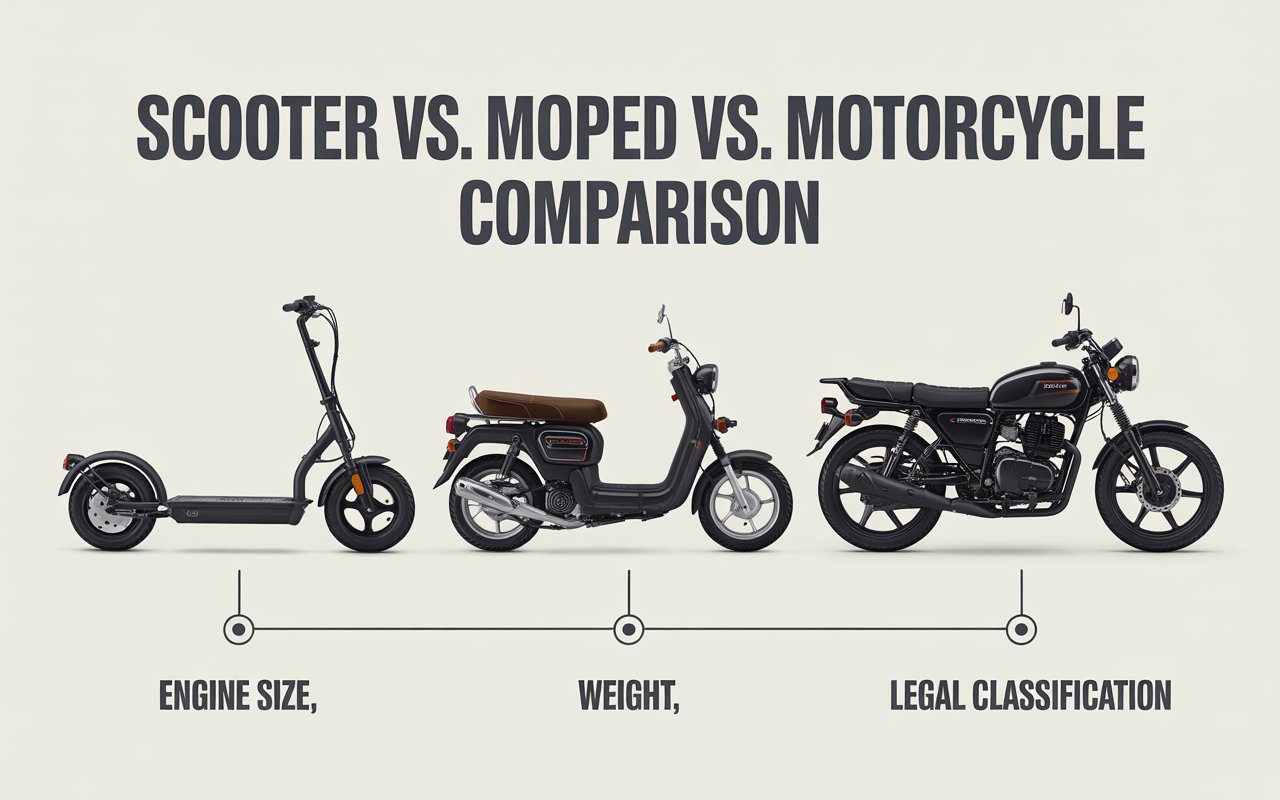
Colorado law carefully distinguishes between electric scooters, mopeds, and motorcycles based on engine size and design. Understanding these classifications is critical because they determine which regulations apply to your device.
A moped is defined as a motorized vehicle with two or three wheels designed for standing or seated operation. Gas-powered mopeds must have engines of 50cc or less, while electric mopeds cannot exceed 4,476 watts in motor power. An electric scooter is a lightweight device with handlebars that achieves a maximum speed of 20 mph when powered solely by its electric motor. Scooters typically weigh under 100 pounds and are operated while standing.
The critical threshold is the 50cc limit for gas engines and 4,476 watts for electric motors. Any scooter or moped exceeding these specifications legally qualifies as a motorcycle under Colorado law and is subject to entirely different regulations, including motorcycle licensing requirements.
According to Colorado Revised Statutes Section 42-4-109, the distinction also depends on whether the vehicle is designed for standing (traditional moped) or seated operation (scooter). This classification affects insurance requirements, licensing, and where you can legally ride. Shared rental scooters operated by companies like Lime and Bird fall into the electric scooter category, though they are often geofenced to lower speeds in populated areas.
Licensing and Insurance Requirements
One of the most common questions riders ask is whether they need a driver’s license and insurance for a scooter or moped. The answer is straightforward: yes, both are required by Colorado law.
To legally operate any moped or scooter in Colorado, you must possess a valid Colorado driver’s license. You do not need a special motorcycle endorsement for vehicles under the 50cc/4,476-watt threshold. However, if your device exceeds these limits and qualifies as a motorcycle, you must obtain a motorcycle license through the Colorado Department of Motor Vehicles.
Insurance is mandatory for all mopeds and scooters. You must carry a motor vehicle insurance policy that meets Colorado’s minimum coverage requirements. Standard auto insurance policies typically cover mopeds and scooters, though you should verify with your insurance provider. Many riders assume they can use a homeowner’s or renter’s insurance policy for liability coverage, but these policies often exclude motorized vehicles. Some policies include optional coverage for scooters, but it’s limited and may not provide adequate protection after an accident.
Colorado’s minimum insurance requirements include bodily injury liability ($25,000 per person, $50,000 per accident) and property damage liability ($15,000). Failure to maintain insurance is a traffic violation and can result in fines, license suspension, and demerit points. If you cause an accident without insurance, you face significant personal liability for damages.
Importantly, registration plates are not required for mopeds or scooters under the 50cc/4,476-watt threshold. However, if your device qualifies as a motorcycle, it must be registered with the state and display a motorcycle license plate.
Equipment Requirements and Safety Standards
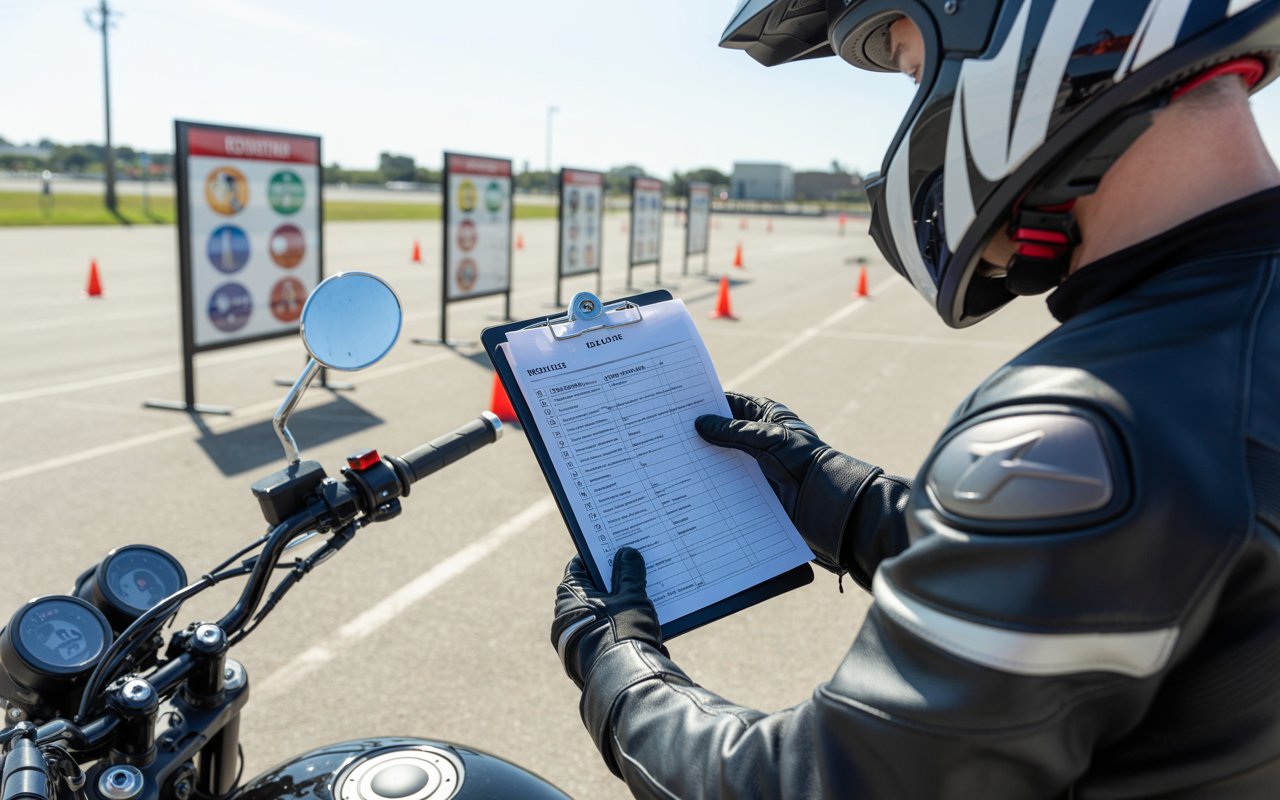
Colorado law specifies mandatory equipment that all mopeds and scooters must have to be street-legal. These requirements exist to ensure rider safety and visibility to other road users.
Your scooter or moped must be equipped with a functioning brake system capable of stopping the device within 25 feet from 20 mph. The brakes must be in good working condition and regularly inspected. Additionally, the vehicle must have front white lights visible from at least 500 feet away and rear red reflectors or lights visible from 50 to 300 feet. These lighting requirements are essential for night riding and prevent collisions caused by poor visibility.
An audible signal (bell, horn, or voice alert) is required to warn pedestrians and other road users. The signal must be clearly audible from at least 100 feet away. Your scooter’s tires, fenders, and overall condition must meet safety standards—any unsafe vehicle provisions can result in citations from law enforcement.
Mirrors and turn indicators are typically not required for electric scooters but are mandatory for mopeds and motorcycles. However, many experienced riders install mirrors voluntarily for enhanced safety. Hand signals (left arm extended for left turns, right arm extended for right turns) are the standard method for indicating direction changes.
Where You Can Legally Ride in Colorado
One of the most misunderstood aspects of scooter regulations is where you can and cannot ride. Colorado law and local ordinances create specific zones for scooter use, and violations can result in citations and fines.
Bike lanes and streets are the primary legal riding areas for scooters. Colorado law permits scooters to use bike lanes statewide, and riders have the right to use roadways where the speed limit is 30 mph or less. You must stay to the right side of the road, yield to pedestrians, and follow all traffic signals and stop signs. On multi-use paths and trails, scooters are permitted unless signs explicitly prohibit them—always check trail signage before riding.
Sidewalks are generally prohibited for scooter riding, though this varies by city. Denver, Boulder, and Colorado Springs all restrict sidewalk riding in business districts and high-traffic pedestrian areas. Some cities allow sidewalk riding in residential areas only. Riding on sidewalks where prohibited can result in fines ranging from $50 to $300, depending on local ordinances. Always verify your city’s specific rules before riding.
Crosswalks present a gray area: you must dismount and walk your scooter across crosswalks designed for pedestrian traffic. Riding through crosswalks is illegal and dangerous. Interstate highways and limited-access roads are strictly prohibited for scooters and mopeds. These high-speed environments are unsafe for low-powered vehicles.
Shared scooter programs like Denver’s micromobility fleet use geofencing technology to limit scooter speeds in specific zones. In Denver and Boulder, shared scooters are often capped at 15 mph in downtown areas and 10 mph in high-pedestrian zones. Personal scooters are not geofenced, so riders must manually control their speed.
Local Variations: Denver, Boulder, and Colorado Springs
Colorado is a home-rule state, meaning cities can establish their own regulations for scooters beyond state law. This creates important variations that riders must understand.
Denver permits scooters on streets with speed limits of 30 mph or less and in bike lanes. Sidewalk riding is prohibited in downtown Denver and the central business district but permitted in residential areas. The city’s shared scooter program operates with geofencing that automatically limits speeds to 15 mph in downtown zones and 10 mph near schools and parks. Parking must respect ADA clearance requirements—scooters must not block sidewalk ramps or accessible curb cuts.
Boulder has stricter regulations. Electric scooters are permitted on streets and bike lanes but prohibited on sidewalks citywide. The city enforces a strict 20 mph speed limit for all e-scooters on streets and paths. Boulder’s shared scooter programs operate with aggressive geofencing, and improperly parked scooters are routinely impounded.
Colorado Springs allows scooter riding on streets where speed limits do not exceed 35 mph and in bike lanes. Sidewalk riding is prohibited in the downtown core. The city has been more permissive than Denver or Boulder, allowing scooter use in certain multi-use paths and parks.
DUI and Enforcement: Serious Legal Consequences
Many riders are unaware that Colorado’s DUI and DWAI (Driving While Ability Impaired) laws apply to scooters and mopeds. Operating a scooter while under the influence of alcohol or drugs is illegal and carries the same penalties as driving a car while intoxicated.
If you are convicted of DUI on a scooter, you face 5 days to 1 year in jail, fines of $600–$1,000, and 48 to 96 hours of mandatory community service. A conviction also results in probation, required alcohol education classes, and potential license suspension. If you have a prior DUI on your record, penalties increase significantly—a second DUI within 10 years can result in 10 days to 1.5 years in jail and fines up to $1,500. A third DUI becomes a felony with prison sentences of 2–6 years.
Beyond DUI, other common scooter violations include riding on prohibited sidewalks (typically $50–$300 fines), excessive speed ($50–$200), failure to yield to pedestrians ($75–$200), and riding without required equipment (lights, brakes, signals) ($50–$150).
Distracted riding—using a phone, wearing headphones, or carrying items that prevent two-handed control—is increasingly enforced by police departments. While not always a standalone violation, it can result in citations if combined with other infractions.
What to Do After a Scooter Accident: Liability and Next Steps
If you are injured in a scooter accident, the steps you take immediately after the incident are critical for your legal case and insurance claim. Scooter accidents often result in serious injuries—broken bones, head trauma, spinal injuries, and road rash—because riders have minimal protection.
At the scene: Call 911 if anyone is injured. Document the accident by taking photos of the scene, your scooter, any vehicles involved, road conditions, and traffic signals. Gather contact information and insurance details from any other parties. Obtain witness names and phone numbers. Do not admit fault or apologize, as these statements can be used against you later. Don’t ever leave the scene of a car accident because if you do, it’s a serious crime.
Medical care: Seek immediate medical attention, even if injuries seem minor. Head injuries and internal injuries can develop hours after an accident. Keep all medical records and document all treatment, prescriptions, and follow-up appointments.
Insurance and legal: Report the accident to your insurance company and the other party’s insurer. If another party was at fault, their insurance should cover your medical bills and property damage. However, insurance companies often undervalue claims. If you’ve suffered significant injuries, contact a personal injury attorney before accepting any settlement offer. Many accident victims settle for far less than they’re entitled to.
Police report: Obtain a copy of the police accident report, which documents fault and can support your insurance claim or legal case.
Frequently Asked Questions
Do I need a driver’s license to ride an electric scooter in Colorado?
Yes, you must have a valid Colorado driver’s license to legally operate any moped or electric scooter. No special motorcycle endorsement is required for devices under 50cc or 4,476 watts, but your driver’s license must be current and valid.
Can I get a DUI on an electric scooter in Colorado?
Yes, absolutely. Colorado’s DUI laws apply to scooters and mopeds. Operating a scooter while under the influence of alcohol or drugs is illegal and carries the same penalties as a DUI in a car: 5 days to 1 year in jail, $600–$1,000 in fines, and mandatory community service.
Are helmets required for adults riding scooters in Colorado?
Helmets are not required by state law for riders 18 and older, similar to Colorado’s motorcycle helmet law. However, helmets are strongly recommended because they reduce the risk of fatal head injury by up to 70%. Minors (under 18) are required to wear helmets in most Colorado cities.
Can I ride an electric scooter on sidewalks in Colorado?
This depends on your city. Most Colorado cities prohibit sidewalk riding in downtown and business districts. Denver and Boulder prohibit sidewalk riding citywide. Residential areas may permit sidewalk riding, but it’s illegal in high-traffic pedestrian zones. Always check your city’s specific ordinance before riding on sidewalks.
What equipment does my scooter need to be street-legal?
Your scooter must have: (1) front white lights visible from 500 feet, (2) rear red reflectors or lights visible from 50–300 feet, (3) functioning brakes capable of stopping within 25 feet from 20 mph, and (4) an audible signal (bell or horn) audible from 100 feet. Tires and fenders must be in safe condition.
What’s the difference between a scooter, moped, and motorcycle in Colorado?
A moped has a gas engine of 50cc or less (or electric motor of 4,476 watts or less) and is designed for standing or seated operation. An electric scooter is a lightweight device with handlebars, maximum 20 mph speed, typically under 100 pounds. A motorcycle is any scooter or moped exceeding the 50cc/4,476-watt threshold and requires a motorcycle license.
What should I do if I’m in a scooter accident in Colorado?
Call 911 if injured. Document the scene with photos. Gather witness information and the other party’s insurance details. Seek immediate medical attention. Report to your insurance company. If seriously injured, contact a personal injury attorney before accepting any settlement offer to ensure you receive fair compensation.
Ready to Ride Safely and Legally
- Colorado requires a valid driver’s license and motor vehicle insurance for all mopeds and scooters with engines up to 50cc or electric motors up to 4,476 watts
- DUI/DWAI laws apply to scooter riders; penalties include 5 days to 1 year in jail, fines of $600–$1,000, and mandatory community service
- Helmets are optional for riders 18 and older but mandatory for minors; wearing one significantly reduces head injury risk
- Scooters are prohibited on sidewalks in most Colorado cities (varies by jurisdiction) but permitted in bike lanes statewide
- Equipment requirements include front white lights, rear red reflectors, functioning brakes, and audible signals (bell or horn)
Scooters and mopeds offer affordable, convenient transportation throughout Colorado. However, understanding and following state and local regulations is essential to avoid legal penalties and accidents. If you’re unsure about your city’s specific rules, contact your local police department or visit your city’s official website.
If you’ve been injured in a scooter accident caused by another party’s negligence, you may be entitled to compensation for medical bills, lost wages, and pain and suffering. Cheney Galluzzi & Howard has helped hundreds of scooter accident victims recover fair settlements and verdicts. Our experienced Denver personal injury attorneys understand Colorado’s scooter laws and know how to hold negligent drivers and property owners accountable.
 Understanding the Average Car Accident Settlement
