
Key Takeaways
- In Colorado, auto insurance typically follows the vehicle—not the driver—as long as the driver has permission to use the car.
- The car owner’s policy pays first. The driver’s own insurance may step in as backup if damages exceed the owner’s limits.
- Colorado’s minimum 25/50/15 liability limits rarely cover serious injuries. UM/UIM coverage protects you when the at-fault driver has no insurance or too little.
- Rideshare work, excluded drivers, and non-owner policies create coverage gaps. If your claim is being denied or delayed, talk to a lawyer right away.

After a car accident in Colorado, one question dominates everything else: Whose insurance is going to pay for this?
The answer gets complicated fast when you were driving someone else’s car, or a friend was behind the wheel of yours. You’re hurt. Confused. Maybe scared about medical bills piling up while the insurance company gives you the runaround.
Here’s what you need to know. Colorado is a fault state, which means the at-fault driver is responsible for the harm they cause. But at the policy level, coverage usually follows the vehicle, not the person holding the keys.
In practical terms: if you lend your car to a licensed driver, you’re usually lending out your insurance, too. And if you borrow a car, you’re tapping into the owner’s policy first—with your own coverage only coming in as a backup in certain situations.
How Auto Insurance Works When You Borrow (or Lend) a Car in Colorado
Standard Colorado auto policies are written around the insured vehicle. The policy covers that car in certain situations—not you personally, wherever you drive.
If you give a friend permission to drive your car and they cause a crash, your policy is usually primary. It pays up to your liability limits for the other driver’s medical bills and property damage.
If your friend has their own auto insurance, their policy may become secondary or excess coverage if your limits aren’t enough to cover the full loss.
The same logic applies if the roles are flipped. If you borrow someone else’s insured car and cause a collision, the owner’s policy usually responds first. Your own auto policy might step in after that, depending on your coverage, the policy language, and how badly people were hurt.
Colorado’s Minimum Coverage (And Why It’s Not Enough)
Colorado law requires every registered vehicle to carry liability insurance. At minimum, that policy must include:
- $25,000 per person for bodily injury
- $50,000 per accident for bodily injury (all injured people combined)
- $15,000 per accident for property damage
These are called 25/50/15 limits. Colorado is also an at-fault state with a modified comparative negligence rule. You can recover from another driver only if you are less than 50% at fault, and your recovery is reduced by your share of fault.
For serious crashes—hospitalizations, surgeries, long-term disability—25/50/15 is rarely enough. Medical bills alone can easily blow past those numbers.
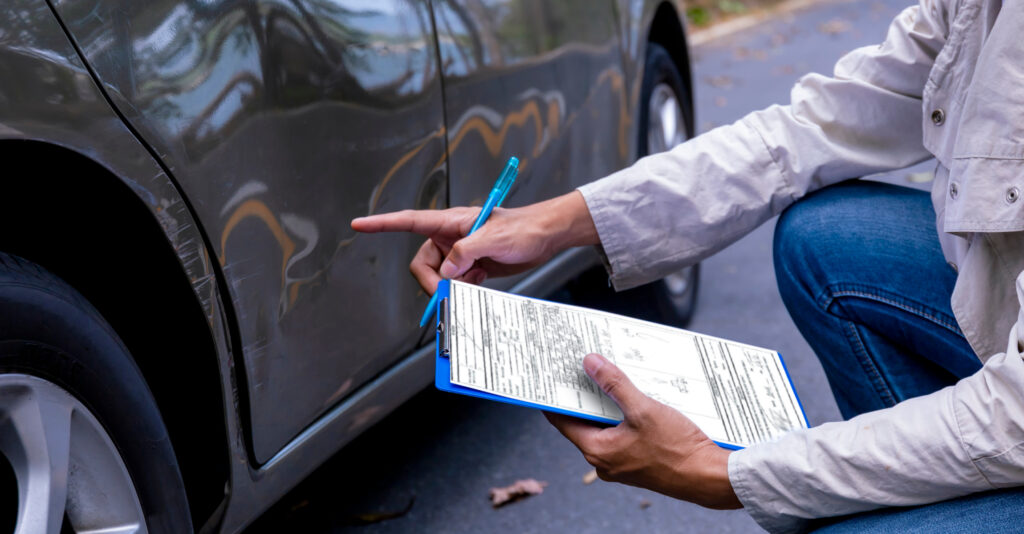
When the at-fault driver’s or vehicle’s coverage runs out, injured people often have to look to their own UM/UIM coverage, the at-fault driver personally, or a personal injury lawsuit to close the gap.
It’s more than money. It’s about protecting your health, your future, and your ability to put your life back together when someone else’s choices change your life.
What Actually Happens: Real Borrowed-Car Scenarios
The rules make more sense when you see how they play out in real life. Here are a few common situations we see in our Colorado car accident cases.
Your friend borrows your car and causes a crash
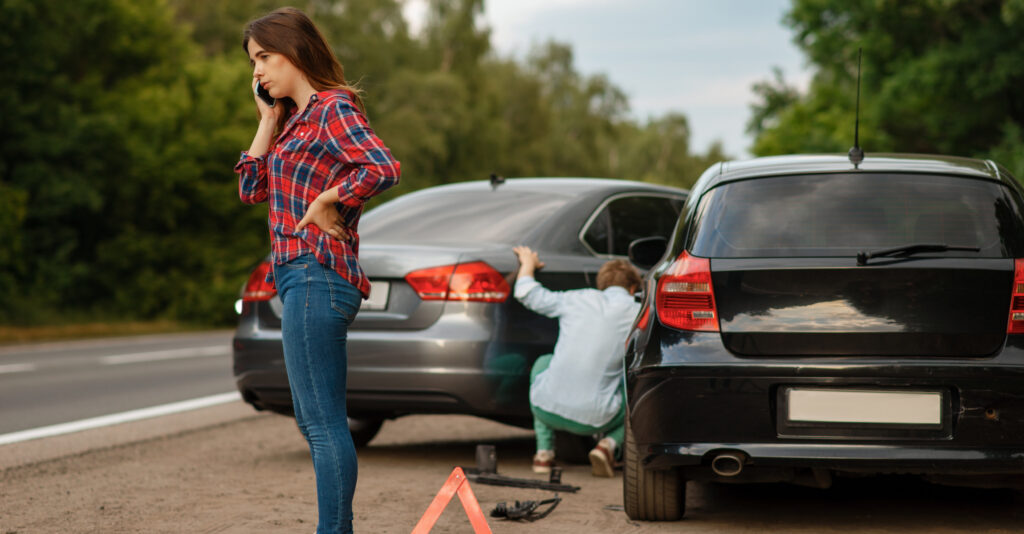
You lend your car to a licensed friend for the afternoon. They rear-end another driver on I-25. The other driver has whiplash and car damage.
Your policy is primary. It pays the injured driver’s damages up to your liability limits.
If your limits are low and the injuries are serious, your friend’s auto policy may act as secondary coverage.
If damages still exceed both policies, the injured person might sue the at-fault driver (your friend) personally—and you can be pulled into the discussion because you own the car.
You borrow an underinsured friend’s car and cause a serious crash
You drive a friend’s car to the grocery store. They carry only minimum 25/50/15 coverage. You crash, and the other driver suffers injuries worth $100,000.
Your friend’s policy may pay up to $25,000 per injured person and $50,000 total. If the harm exceeds those limits, the injured person can still pursue the difference.
Your own policy might provide excess liability coverage depending on your terms, but the stakes are high. You could face personal exposure if coverage isn’t sufficient.
Someone else drives your car and gets hit by another driver
You let a co-worker borrow your car, and they’re hit by a driver who runs a red light. Because Colorado is a fault state, the other driver’s liability policy should be primary for both your vehicle damage and your co-worker’s injuries.
However, if that driver is uninsured or underinsured, you may need to look to your UM/UIM coverage or your co-worker’s own UM/UIM policy.
When coverage is tight and injuries are serious, insurance companies fight hard over who’s really on the hook. That’s where independent investigation and strong legal advocacy matter.
How UM/UIM Coverage Protects You
One of the biggest risks in Colorado isn’t just borrowed cars—it’s uninsured and underinsured drivers. Industry data shows that roughly one in eight drivers nationwide has no insurance, and Colorado’s uninsured rate has been higher than the national average in recent years.
That’s where uninsured/underinsured motorist (UM/UIM) coverage comes in:
UM coverage helps when the at-fault driver has no insurance at all.
UIM coverage helps when the at-fault driver’s policy limits aren’t enough to cover your medical bills, lost wages, and other damages.
In a borrowed-car context, UM/UIM can be a lifesaver. Imagine you’re driving a friend’s car with their permission, and an uninsured driver T-bones you downtown. Your friend’s UM/UIM coverage (if they purchased it) may help cover your injuries. Your own UM/UIM coverage can sometimes apply as an extra layer, depending on the facts and your policy.
Colorado law requires insurers to offer UM/UIM coverage in at least the same limits as your liability coverage unless you reject or lower it in writing.
Skipping UM/UIM might save a few dollars today. But for many of our clients, it’s the difference between a partial recovery and being left with life-changing medical debt.
When Things Get Complicated: Excluded Drivers, Rideshare, and Non-Owner Policies
The “insurance follows the car” rule has important exceptions and gray areas. These are the situations where a quick phone call with an adjuster can turn into a months-long fight.
Excluded drivers and unlicensed drivers
Many Colorado policies contain named driver exclusions—people the insurer specifically refuses to cover because of their driving history.
If an excluded driver takes your car and crashes, the insurer may deny coverage entirely or rely on “step-down” limitations. Allowing an unlicensed or knowingly dangerous driver to use your vehicle can create a serious coverage mess and potential negligent entrustment issues.
Rideshare, delivery, and business use
Standard personal auto policies are often written for personal use—not for Uber, Lyft, DoorDash, or regular business deliveries.
If someone borrows your car and uses it for paid rides or deliveries, or you drive for a rideshare app in a car covered only by a personal policy, there can be gaps in coverage during different “periods” (app on/off, en route, with a passenger).
Platform policies and personal policies may each try to push responsibility onto the other. The person left in the middle is often the injured driver or car owner.
Non-owner and secondary policies
Some people purchase non-owner car insurance, which covers their liability when they drive vehicles they don’t own. Non-owner policies typically don’t cover physical damage to the car itself, but they can provide an extra layer of liability protection.
In a serious borrowed-car crash, that secondary coverage can make the difference between an insurance check and a lawsuit aimed at your personal assets.
How a Denver Car Accident Lawyer Helps You Untangle Coverage
When a crash involves a borrowed car, multiple policies, and potentially limited limits, the stakes are high. Insurance companies know that most people have never read their full policy, and they sometimes rely on that confusion.
We don’t take the insurance company’s word for anything. Our firm, which specializes in car accident cases in Denver and Colorado, investigates:
- Which policy should be primary and which might be secondary
- Whether an insurer can lawfully rely on exclusions or “step-down” clauses
- How to maximize every available coverage before you’re left personally responsible
It’s more than money—it’s about protecting your health, your family’s future, and your ability to put your life back together after a crash.
Frequently Asked Questions
Does insurance follow the car or the driver in Colorado?
In most cases, insurance follows the car in Colorado. That means the vehicle owner’s policy is usually primary if a permitted driver causes a crash in that car. The driver’s own insurance may act as secondary or excess coverage if the owner’s limits aren’t enough, but the details depend on the policies and the facts of the crash.
If my friend crashes my car in Colorado, whose insurance pays first?
If you gave your friend permission to use your car, your policy usually pays first for the other driver’s injuries and property damage, up to your liability limits. Your friend’s auto insurance can sometimes provide excess coverage if the loss is larger than your policy. If there are exclusions, step-down language, or very low limits, you should talk to a lawyer right away.
Am I covered if I crash someone else’s car, or could I be personally sued?
If you crash a car you borrowed with permission, the owner’s policy is typically primary. Your own policy may step in as secondary coverage, but large claims can still exceed all available insurance. When that happens, injured people may look at your personal assets. Getting legal advice early is critical in serious-injury cases or when coverage is unclear.
Will my insurance rates go up if someone else causes a crash while driving my car?
If a claim is paid under your policy for a crash that happened while someone else was driving your car, your insurer may treat it like any other at-fault claim. That can mean higher premiums in the future. Each insurer rates risk differently, but in general, whenever your policy pays out for an at-fault crash, there’s a real chance your rates will rise.
What happens if the driver or the car has no insurance, or only minimum limits?
If the at-fault driver or the vehicle they were driving has no insurance, injured people often must rely on their own UM/UIM coverage or pursue a lawsuit against the driver personally. Even when there is minimum 25/50/15 coverage, serious injuries can easily exceed those limits. In that situation, additional UM/UIM coverage or a personal injury claim may be the only path to full compensation.
Does my personal policy cover me if I drive for Uber, Lyft, or delivery apps?
Standard personal auto policies are typically not written to cover rideshare or delivery work. Rideshare companies provide some coverage during certain “periods,” but there are often gaps—especially when the app is on but no passenger is in the car. If you use your vehicle for paid driving, even occasionally, review your policy and consider rideshare endorsements or separate coverage before an accident happens.
When should I get a Colorado car accident lawyer involved after a borrowed-car crash?
You should talk to a lawyer as soon as possible if a borrowed-car crash caused serious injuries, there are questions about which policy applies, your claim is being delayed or denied, or you’re being told there is “no coverage.” An experienced Colorado car accident attorney can sort through the policies, protect you from being unfairly blamed, and work to secure every dollar of coverage the law allows.
What To Do Next
If you or a loved one has been injured in a borrowed-car crash—or if you’re being told there’s “no coverage” or that you’re on your own—don’t wait.
To speak with a Denver car accident lawyer about your situation, call Cheney Galluzzi & Howard for a free consultation. There are no upfront fees. You don’t pay attorney’s fees unless we recover money for you.
We stand up to insurance companies. We fight relentlessly, and we do it with care and compassion. Because it’s more than money—it’s about helping you rebuild your life.
 Colorado Vehicle Emissions Requirements
