ClickCease
Free consultations · Se habla espanol
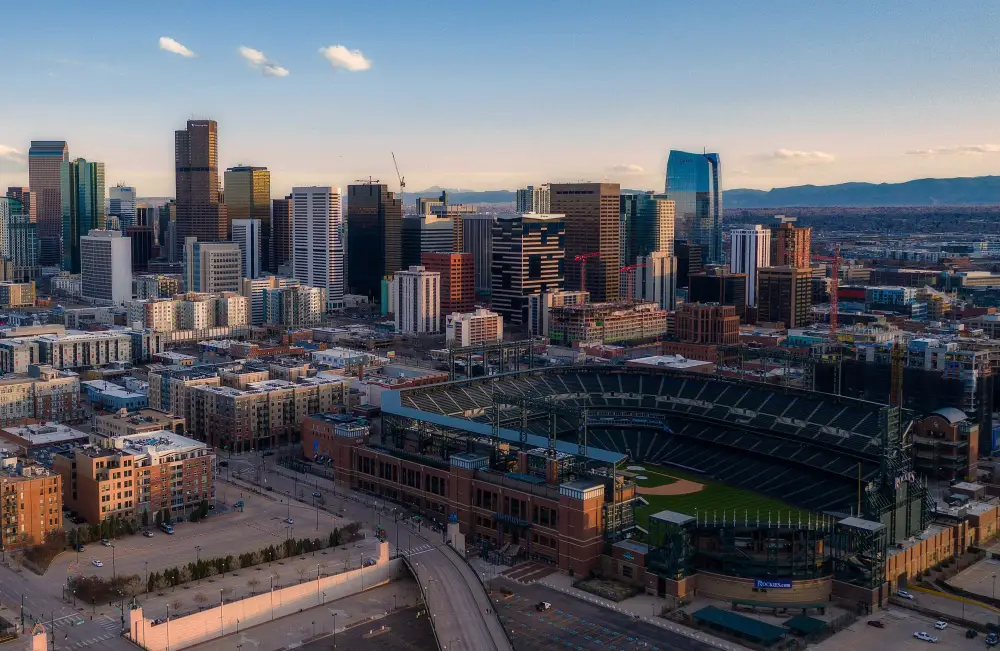
Denver skyline. CGH Injury Lawyers serves car accident victims across Denver, Colorado.
Denver, Colorado

Denver Car Accident Lawyers

We work from our Denver office at 2701 Lawrence St. to represent people hurt on I-25, I-70, Colfax Ave., and Federal Blvd. No fee unless we win.

No fee unless we win

It's More Than Money.

Get my free case review

100% confidential. No fee unless we win.

Our Denver Office CGH Injury Lawyers 2701 Lawrence St., Suite 201 Denver, CO 80205 (303) 209-9395 Se habla espanol
5-star rated on Google $600,000 Denver car crash settlement ABOTA trial advocate 8 attorneys, bilingual EN / ES
  • A Denver car accident may justify legal review when injuries, fault, insurance, or recorded statements are disputed.
  • Colorado shared-fault rules can reduce or bar recovery depending on the assigned fault percentage.
  • CGH evaluates crash claims through evidence, medical records, insurance coverage, and claim timing.

A Denver car accident lawyer can help when the crash leaves unanswered questions about fault, injuries, insurance coverage, medical bills, or what to say to an adjuster. Not every collision needs a lawsuit. Some claims can be handled through insurance with careful documentation. Other claims need early legal review because video may disappear, medical symptoms may develop, and recorded statements can be used later against the injured person.

CGH Injury Lawyers reviews Denver crash claims from its office at 2701 Lawrence St., Suite 201. The firm looks at liability, medical proof, insurance coverage, Colorado comparative negligence, and whether the claim should be handled through negotiation, litigation, or a narrower property-damage path.

Denver Results

Real Denver car crash recoveries

Every figure below is a verdict or settlement in a Denver car crash case, taken from our case results page. Every case is different, and these do not guarantee a similar outcome.

  • $600,000 Car crash settlement, Denver City and County
  • $560,986 Car crash verdict, Denver City and County
  • $532,732 Car crash verdict, Denver District Court
Local Knowledge

Denver roads. Denver courts. Denver trauma care.

A Denver car accident case lives in Denver: the corridor where it happened, the hospital that treated you, and the courthouse where it may be filed. Here is the ground we work on.

Courthouse

Denver District Court

Personal injury cases in Denver County are filed in Denver District Court, the 2nd Judicial District. Civil matters are heard at 1437 Bannock St. Denver civil procedure differs from suburban courts, and the judges and opposing counsel either know your firm or they don't.

Trauma Care

Denver Health Medical Center

After a serious Denver crash, emergency responders typically transport the most critically injured patients to Denver Health, the region's Level I trauma center. Those medical records document the full scope of your injuries and become the backbone of your damages claim. UCHealth University of Colorado Hospital and St. Joseph Hospital also treat crash injuries across the metro.

Corridors

I-25, I-70, Colfax, Federal

The downtown interchange of I-25 and I-70, known as the Mousetrap, carries some of the state's highest daily traffic volumes. Colfax Ave. runs east to west through central Denver, and Federal Blvd. is a north-south arterial with documented vehicle and pedestrian crashes. Where your accident happened affects how fault is established and how local adjusters evaluate liability.

Why CGH

Why Denver clients choose CGH Injury Lawyers

A real office, trial-ready attorneys, bilingual help, and no fee unless we win. The case results below are Colorado recoveries from our case results page, including verdicts and settlements in Denver. Every case is different, and these do not guarantee a similar outcome.

Denver District Court Verdict

$532,732

Car crash verdict

A car crash verdict reached in Denver District Court. Source: our case results page.

Real Denver Office

Not a P.O. box.

Our office at 2701 Lawrence St., Suite 201 is where your attorney works. You can walk in, review documents, and meet the team handling your case.

Denver Settlement

$600,000

Car crash settlement, Denver. Source: case results page.

Denver Verdict

$560,986

Car crash verdict, Denver. Source: case results page.

Trial-Ready

8 attorneys, prepared for trial.

Managing Partner Kevin Cheney is a member of the American Board of Trial Advocates and Treasurer of the Colorado Trial Lawyers Association. When attorneys are genuinely ready to try a case in Denver District Court, insurers respond differently to a demand.

Bilingual

Hablamos espanol.

Spanish-speaking staff and attorneys serve Denver's Spanish-speaking community.

No Win, No Fee

Contingency only.

You pay nothing out of pocket for legal fees. We advance costs and collect only from a settlement or verdict.

After the Crash

What happens after a Denver car accident

Take care of your health first, protect the evidence, then call before you talk to the insurer. Here is the path we walk with you.

  1. Get medical care

    Denver Health and UCHealth University of Colorado Hospital treat serious injuries. Even if you feel okay, get examined. Delayed symptoms like headache, neck stiffness, back pain, and numbness often surface in the 24 to 72 hours after a crash.

  2. Document the scene

    Photograph vehicle damage, road conditions, signs, and any visible injuries. Get the other driver's name, insurance, license plate, and phone number.

  3. Report the accident

    Colorado requires crashes involving injury, death, or significant property damage to be reported to law enforcement. The Denver Police Department handles reports within city limits.

  4. Call before insurance does

    The other driver's insurer will call quickly. Do not give a recorded statement or accept any offer before speaking with us. Call (303) 209-9395.

  5. We build your claim

    We pull police reports, hospital records, and available traffic or dashcam footage from corridors like I-25 and I-70, then gather witness accounts.

  6. Negotiate or litigate

    Most cases settle. When insurers refuse a fair offer, we file in Denver District Court and try your case.

5-star rated on Google

I wish I could leave more than 5 stars!

Grace Macaluso, 5-star Google review

When May A Denver Car Accident Justify A Lawyer Call?

A Denver crash may justify a lawyer call when the other driver disputes fault, the insurer asks for a recorded statement, the injury picture is still changing, the other driver was uninsured, the crash involved a commercial vehicle, or the offer does not match the medical record. A lawyer can also help when a minor-looking crash creates delayed symptoms, missed work, or a release form that would close more than property damage.

The first week matters. Photos, witness names, traffic camera footage, dash camera data, police reports, and vehicle damage evidence are easiest to preserve early. If the crash happened on I-25, I-70, Colfax Avenue, Speer Boulevard, Federal Boulevard, or a Denver neighborhood street, local context can help identify camera locations and agencies that may hold records.

If you need immediate next-step guidance, CGH's live guide on what to do after a car accident in Colorado is a useful starting point.

What Should You Do Before Talking To Insurance?

Before talking to the at-fault driver's insurer, gather the police report number, photos, insurance cards, medical records, and a short timeline of what happened. Keep your statement truthful, brief, and factual. Do not guess about speed, distance, injuries, or fault. Do not sign a release until you understand whether it covers only property damage or also injury claims.

Insurance calls can sound routine, but the questions are designed to lock in details. A recorded statement that says "I am fine" or "I may have been looking away" can become a problem if symptoms develop or fault is disputed. The safer wording is that you are still evaluating the medical and property damage issues and will respond in writing after review.

CGH discusses this issue in more detail in the insurance adjuster trap and insurance claims after a crash.

What If The Crash Seems Minor?

A minor crash can still deserve review when pain develops after the scene, vehicle damage is more expensive than expected, the insurer pushes a quick release, or the other driver gives a different story. The point is not to turn every fender-bender into a lawsuit. The point is to avoid closing the file before the facts are clear.

Minor crashes often create three practical problems. First, people say they are unhurt before adrenaline has worn off. Second, insurers may treat low vehicle damage as proof of no injury, even when medical care says otherwise. Third, property-damage paperwork can include broad release language that affects injury claims.

If you are unsure, ask CGH what documents should be reviewed before you sign anything. A short review may be enough to decide whether the file needs legal representation or careful self-management.

What If The Other Driver Was Uninsured?

If an uninsured driver hit you in Denver, the first question is whether your own policy includes uninsured or underinsured motorist coverage. UM/UIM coverage can apply to bodily injury losses caused by a hit-and-run driver, a driver with no insurance, or a driver whose coverage is too low for the injury losses.

UM/UIM claims are not the same as claims against the at-fault driver's insurer. You may be dealing with your own carrier, policy language, written rejections, medical proof, and deadlines that need separate review. Under C.R.S. 13-80-107.5, a lawsuit or arbitration demand on a UM/UIM claim generally must be brought within three years after the cause of action accrues, with limited extensions in some situations. If the other driver fled, the claim may also overlap with police investigation and hit-and-run evidence.

For related live resources, see CGH's pages on uninsured driver crashes in Colorado and hit-and-run accidents.

How Can Colorado Shared-Fault Rules Affect A Claim?

Colorado follows a modified comparative negligence rule under C.R.S. 13-21-111. If you share fault for a crash, your compensation is reduced in proportion to your percentage of fault, and you are barred from recovering anything if your share of the fault is equal to or greater than that of the party or parties you are seeking recovery from. In practical terms, you can recover only if you are less than 50 percent at fault.

Shared fault arguments can appear even when the other driver caused the crash. An insurer may argue that the injured driver was speeding, failed to brake, changed lanes late, ignored weather, or made a damaging statement after the crash. That is why early evidence matters. Photos, witness statements, vehicle locations, traffic signal data, and police findings can help answer fault arguments before they harden into the insurer's position.

For a deeper explanation, see CGH's guide to comparative negligence in Colorado and Colorado car accident laws.

How Long Do You Have To File A Denver Car Accident Lawsuit?

Colorado motor vehicle injury claims often involve a three-year limitations period under C.R.S. 13-80-101, but deadline analysis should still be done by a lawyer. Different claims can have different timing rules. UM/UIM issues, claims against public entities, wrongful death, minors, and insurance contract issues can change the analysis.

Waiting is still risky even when the lawsuit deadline sounds far away. Video can be overwritten, witnesses can move, medical records can become harder to organize, and insurers can use treatment gaps against the claim. If the crash involved serious injury, disputed liability, or an uninsured driver, it is usually better to check the file early.

CGH's live article on the Colorado car accident statute of limitations explains the timing issue in more depth.

How Should You Choose A Denver Car Accident Lawyer?

A good Denver car accident lawyer should explain the evidence, not just promise to "fight." Ask how the firm preserves evidence, evaluates comparative fault, handles medical records, communicates with clients, and decides whether a case should settle or be filed.

Practical questions include:

  • Who will review my claim?
  • What evidence should be preserved this week?
  • What should I say, or not say, to insurance?
  • How does Colorado shared fault apply to my facts?
  • What insurance coverage should be checked?
  • How will fee and case-cost terms be explained in writing?

CGH Injury Lawyers has represented injured Coloradans since 2016. Kevin Cheney is the firm's Managing Partner, a member of the American Board of Trial Advocates, and Treasurer of the Colorado Trial Lawyers Association. The firm works from one Denver office. Learn more on the about page and Kevin Cheney's attorney profile.

How Does CGH Handle Car Accident Cases?

CGH starts with the facts: crash location, police report, photos, medical treatment, insurance coverage, and what the adjuster has already said. The team then decides which problems need attention first. In some cases, that means preserving video. In others, it means stopping adjuster calls, checking UM/UIM coverage, collecting records, or sending letters before a release is signed.

The damages review looks at medical bills, future treatment, wage loss, property damage, pain, limitations, and the way the crash has affected daily life. CGH also checks whether the case belongs in a broader category, such as truck accidents, motorcycle accidents, pedestrian accidents, bicycle accidents, or wrongful death.

The firm also looks for practical blockers. A claim may be strong on fault but weak on coverage. It may have clear injuries but missing treatment records. It may have a helpful police report but a damaging recorded statement. Sorting those issues early lets the client make a calmer decision about whether to keep negotiating, gather more proof, or prepare for litigation.

If the case can be resolved without filing suit, the file should still be organized as if a defense lawyer may review it later. That means clean records, consistent timelines, and no unsupported claims about symptoms, fault, or future losses.

That discipline also helps settlement talks stay tied to proof instead of pressure.

In Their Words

Denver clients, in their own voice

Read verified 5-star reviews from people we have represented across Denver on our Google profile.

Questions

Denver car accident, frequently asked questions

Should I get a lawyer after a minor car accident in Denver?

Maybe. A lawyer may be useful if symptoms develop, fault is disputed, the insurer asks for a recorded statement, the release language is unclear, or the vehicle damage does not reflect the full harm.

What should I not say to an insurance adjuster?

Do not guess, speculate, admit fault, minimize injuries, or agree to a recorded statement before you understand the claim. Keep the conversation truthful, brief, and limited to confirmed facts.

What happens if I was partly at fault?

Under C.R.S. 13-21-111, Colorado's modified comparative negligence rule reduces recovery by the injured person's share of fault, and recovery is barred if that share is 50 percent or greater. In practical terms, you can recover only if you are less than 50 percent at fault.

Can I sue an uninsured motorist after a Denver crash?

Possibly, but many uninsured-driver claims also involve the injured person's own UM/UIM coverage. A lawyer should review the policy, written waivers, medical proof, and deadlines.

How much does a car accident lawyer cost?

CGH offers a free consultation, and cases are handled with no fee unless we win. Ask CGH for the current written fee and case-cost agreement during intake, because the written agreement controls.

How long do I have to file a car accident lawsuit in Colorado?

Colorado gives you three years from the date of the crash to file a lawsuit for injuries arising out of the use or operation of a motor vehicle (C.R.S. 13-80-101(1)(n)). Shorter deadlines can apply: most non-vehicle injury claims must be filed within two years, and claims involving a government vehicle or agency require a formal written notice within 182 days of discovering the injury. Contact an attorney early so your specific deadline can be confirmed.

Where is a Denver car accident lawsuit filed?

Personal injury cases that arise in Denver County are filed in Denver District Court, the 2nd Judicial District, with civil matters heard at 1437 Bannock St. Where your case is filed affects the local rules, the jury pool, and which adjusters and defense firms you face. We handle Denver District Court cases directly.

What are delayed symptoms after a car accident?

Headaches, neck stiffness, back pain, shoulder pain, dizziness, and tingling or numbness in the arms or legs often appear hours or days after a crash. See a doctor right away. Your medical records document these symptoms for your claim.

Should I accept the first settlement offer?

No. First offers from insurance companies almost never reflect the full value of your medical costs, lost wages, and pain and suffering. Once you sign a release of liability, you usually cannot seek more money even if your injuries worsen.

Disclaimer: This page provides general legal information for Colorado readers and is not legal advice. Reading it does not create an attorney-client relationship. Fault, insurance coverage, deadlines, damages, and fee terms require case-specific review. Sources: Colorado Revised Statutes, Colorado General Assembly.

It's More Than Money.

Talk To A Denver Car Accident Lawyer

If a Denver crash left you injured, unsure what to say to insurance, or worried about fault, ask CGH to review the claim before signing a release. Free consultation. No fee unless we win. Available in English and Spanish.

Tell us what happened

100% confidential. No fee unless we win.

Prefer to read first? See our Colorado case results.

CGH Injury Lawyers · 2701 Lawrence St., Suite 201, Denver, CO 80205 · (303) 209-9395