Denver Personal Injury Lawyer
You’re Hurt. Confused. Scared.
We Have Your Back.
It’s more than money. It’s about helping you put your life back together.
If you’ve been injured in Denver, you aren’t just fighting pain—you’re fighting a system designed to ignore you. From the “Cold Report” bureaucracy at the Denver Police Department to aggressive hospital liens from Denver Health and Swedish Medical Center, the deck is stacked against accident victims.
We don’t take the insurance company’s word for anything. We are Cheney Galluzzi & Howard, a trial-tested team of Denver personal injury lawyers who believe you are a person, not a case file. Our office sits in the heart of RiNo on Lawrence Street—just blocks from the Pepsi Center and minutes from Denver Health—because we’re your neighbors, not a satellite office.
Why “Just Hiring a Lawyer” Isn’t Enough in Denver
You might be realizing that the accident was just the beginning of the nightmare. In Denver, the post-accident landscape has changed, and generic legal advice won’t cut it.
The “Cold Report” Void
Did DPD fail to show up because no one was taken away in an ambulance? You aren’t alone. Thousands of Denverites are forced to file online “Cold Reports” that insurance companies—especially State Farm and Progressive—love to ignore to deny liability.
The reality: Without an official police report, proving fault becomes exponentially harder. Insurance adjusters will use the absence of a report to claim “no evidence” and lowball your settlement—or deny it entirely.
The Hospital Lien Trap (Harvey v. Centura)
You have health insurance, but you just received a lien notice saying Denver Health or Rose Medical Center wants to take your entire settlement. Thanks to Colorado’s Harvey v. Centura precedent, hospitals can claim they’re entitled to reimbursement from your injury settlement—even when you’ve already paid your insurance premiums.
We know how to fight back. We’ve successfully negotiated down hospital liens and protected our clients’ compensation from being swallowed by billing departments.
The 2025 Law Changes You Need to Know
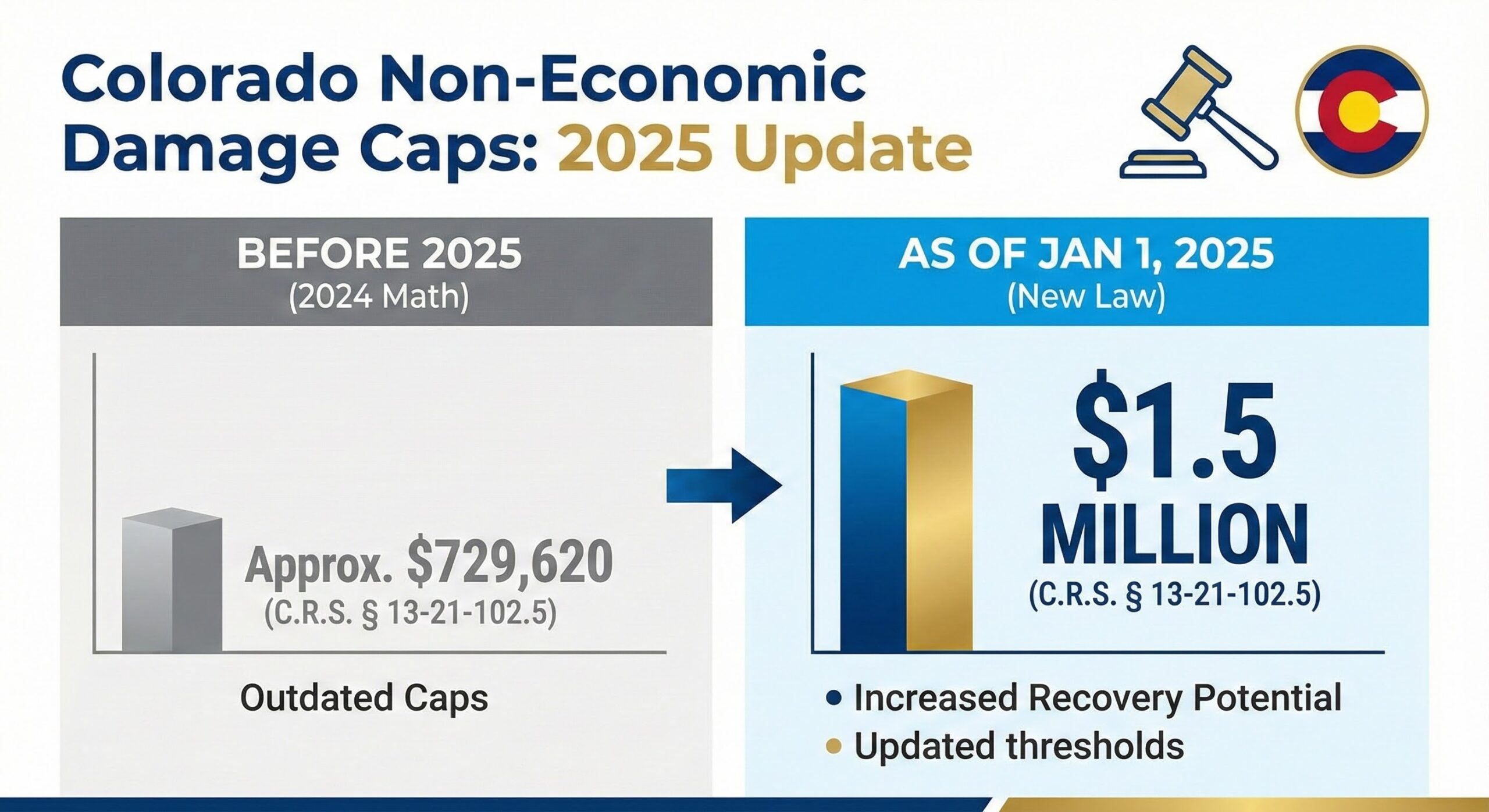
As of January 1, 2025, Colorado’s non-economic damage caps jumped to $1.5 million (C.R.S. § 13-21-102.5).
We stay current. We know the updated caps, the modified comparative negligence thresholds, and exactly how to maximize your recovery under Colorado’s evolving legal landscape.
Practice Areas: How We Help Denver Accident Victims
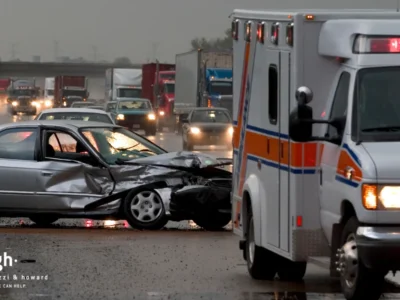
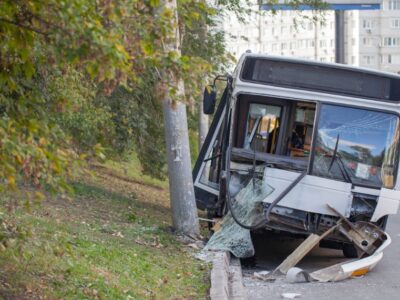
We represent victims of car accidents—from rear-end collisions on I-25 to devastating T-bone crashes at Colfax and Federal, multi-vehicle pileups during snowstorms, and hit-and-run accidents where the other driver fled the scene. When commercial trucks are involved—18-wheelers, delivery vans, or semi-trucks—we take on the trucking companies and their insurers who try to dodge responsibility. Motorcycle riders face unique dangers on Denver roads, and we understand the bias you’re up against after lane-splitting accidents, left-turn collisions, and crashes caused by road hazards the city ignored.




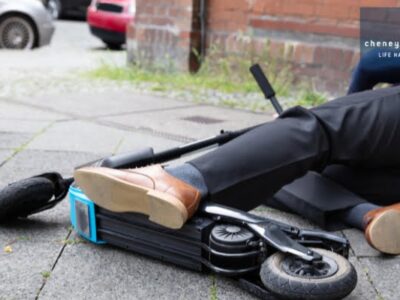





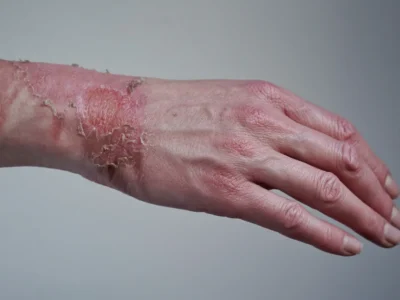


Slip and fall on an icy sidewalk outside a LoDo restaurant? Hurt in a poorly maintained apartment stairwell in Capitol Hill? Our premises liability team holds negligent property owners accountable. If you or someone you love has suffered a traumatic brain injury, concussion, or cognitive impairment, we work with top medical experts to document the full impact on your life. Spinal cord injuries—paralysis, herniated discs, chronic pain that won’t quit—demand aggressive legal representation, and we don’t back down.
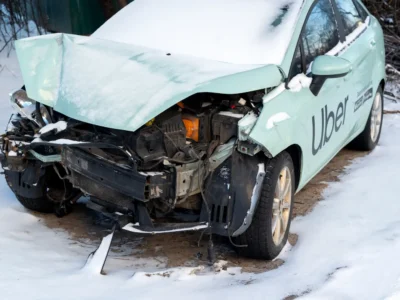
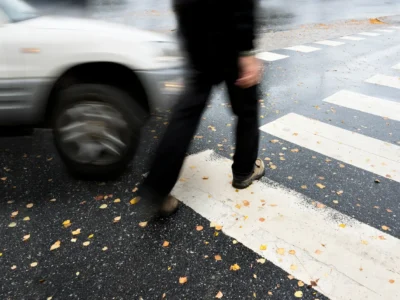
When a family loses someone in a fatal accident, our wrongful death attorneys provide compassionate guidance while fighting relentlessly for the compensation survivors deserve. We’ve handled complex Uber and Lyft crashes where rideshare insurance companies play games with coverage. And for Denver’s cyclists and pedestrians—hit in crosswalks, struck in bike lanes, or left on the side of the road by a driver who didn’t stop—we know how to prove liability and secure maximum compensation.
Trial-Tested. People-First. Located in the Heart of RiNo.
We aren’t a settlement mill looking for a quick turnover. We are trial lawyers. We prepare every case as if it’s going before a jury in the Denver District Court. Why? Because when insurance companies know we aren’t afraid of the courtroom, they offer fair settlements faster.
We Live Here
We’ve been serving the Five Points and RiNo communities since 2016 from our office on Lawrence Street. We aren’t a satellite office; we are your neighbors. You’ll find us just off the 38th & Blake Street Station, across from the Source Hotel, and one block north of Larimer Street’s bustling restaurant row.
Getting here is easy:
- From I-25: Take Exit 213 (Park Avenue West), turn right on Lawrence Street. We’re on your left with dedicated parking in the rear.
- From I-70: Take Exit 275B (Brighton Blvd), turn left on 27th Street, right on Lawrence. Two minutes to our door.
- RTD Access: Light Rail A Line to 38th & Blake Station—we’re a 3-minute walk.
We Give Back
From sorting donations for Volunteers of America to sponsoring the Metro Volunteer Lawyers program, we believe justice extends beyond the courtroom. Our founding partner, Kevin Cheney, serves as Treasurer of the Colorado Trial Lawyers Association (CTLA) and sits on the Board of Governors for the Colorado Bar Association (CBA). We’re embedded in this community—legally, civically, and personally.
We Get Results
A reputation for being fearless in litigation but compassionate with our clients
- Millions recovered for our clients across Colorado
- Top verdicts recognized in the Colorado legal community
- 5.0-star rating from 301+ Google reviews
Navigating Denver’s Most Dangerous Roads
Denver’s traffic is unique. From the “Mousetrap” merge chaos to the sun glare coming off the foothills on I-70 westbound, we understand the physics and liability of local crashes.
Car Accidents: High-Risk Intersections We Know Too Well
Whether it’s a rear-end collision in the I-25 “Blur” near the Tech Center or a T-bone crash at the notorious Colorado Blvd & East Colfax intersection, we investigate immediately to preserve dashcam footage, traffic camera recordings, and witness statements.
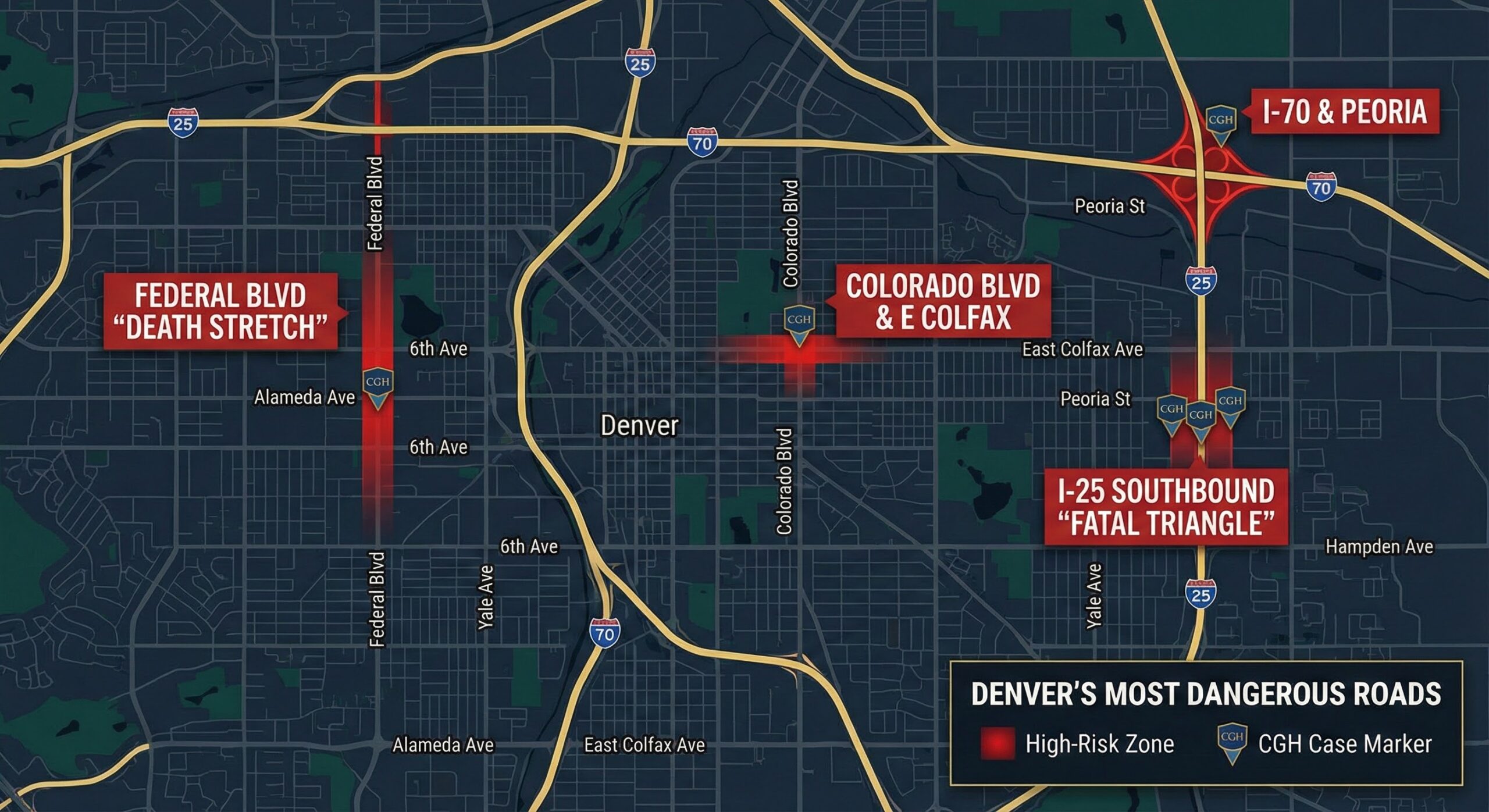
We specialize in cases occurring at Denver’s statistical “danger zones,” including:
- The Federal Blvd “Death Stretch”: Specifically near Alameda and 6th Ave, where pedestrian and high-speed traffic mix dangerously. We’ve handled multiple cases at the Federal & Alameda intersection, where poor signal timing and aggressive left turns create a deadly combination.
- I-70 & Peoria: Identified by CDOT as one of Denver’s most crash-prone interchanges. The merge from southbound Peoria onto eastbound I-70 has caused countless rear-end and sideswipe collisions.
- I-25 Southbound (Yale to Hampden): A fatal triangle for merge-related collisions. The sudden lane drops and high-speed merges near the Denver Tech Center create a perfect storm for accidents during rush hour.
Weather-Related Liability: It’s Not an “Act of God”
Insurance companies like to blame “Acts of God” for crashes. We know better.
Black Ice on 6th Ave: We know that overpasses freeze first. A crash on the 6th Avenue bridge between Federal and Sheridan isn’t “bad luck”—it’s often negligence by a driver traveling too fast for conditions. Under Colorado law (C.R.S. § 42-4-1103), drivers must adjust speed for road conditions. We prove it.
Sun Glare & Monsoons: From I-70 westbound evening blindness (when the setting sun aligns perfectly with the highway toward the foothills) to sudden hydroplaning during July monsoons, we know how to prove the other driver should have adjusted their driving. We consult with accident reconstruction experts who understand Denver’s unique elevation, weather patterns, and road design.
Legal Expertise: Understanding Your Rights in Colorado
We speak plain English, but we carry a heavy legal stick. Here is what you need to know about your case right now:
1. Modified Comparative Negligence (The 50% Rule)
Colorado follows a “50% Bar Rule” (C.R.S. § 13-21-111). This means if a jury decides you are 50% or more at fault, you get $0. Insurance adjusters know this and will try to trick you into admitting fault on a recorded line.
Example: If your damages are $100,000 and you’re found 20% at fault, you’ll receive $80,000. But if you’re found 50% at fault? You receive nothing.
Do not talk to them until you talk to us. We know how to protect you from these tactics and build a case that minimizes your comparative fault percentage.
2. Uninsured/Underinsured Motorist Coverage (UM/UIM)
With so many uninsured drivers in Denver (Colorado has one of the highest uninsured motorist rates in the nation), your own policy is often your lifeline. We are experts at “stacking” coverage and finding policies you didn’t know applied to your accident—including umbrella policies, family member policies, and even employer-provided coverage.
3. The Statute of Limitations: Time Is Not on Your Side
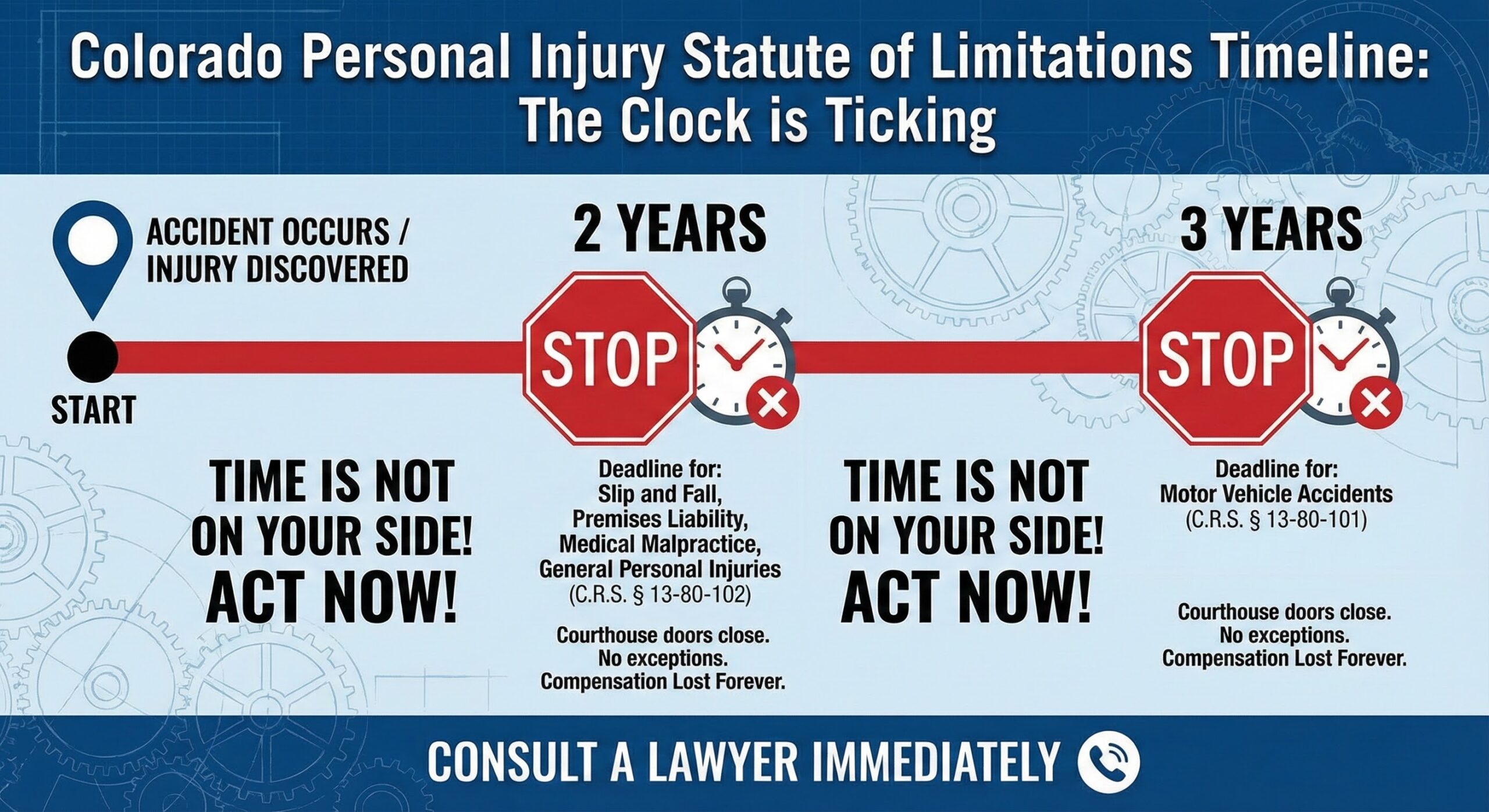
In Colorado, you generally have:
- 3 years for motor vehicle accidents (C.R.S. § 13-80-101)
- 2 years for other personal injuries (slip and fall, premises liability, medical malpractice)
If you miss this deadline by one day, your case is gone forever. No exceptions. No extensions. The courthouse doors close, and you lose your right to compensation permanently.
The police didn’t come to my accident. Can I still file a claim?
es, but it’s harder. This is the “Cold Report” problem. When DPD doesn’t respond to the scene (often because no one was transported by ambulance), you’re forced to file an online report that lacks witness statements, officer observations, and immediate evidence.
We help you gather alternative evidence:
- Dashcam footage (yours and nearby vehicles)
- 911 call logs and dispatch records
- Witness contact information and statements
- Traffic camera footage (we know which intersections have cameras)
- Cell phone records showing the other driver was distracted
Bottom line: A missing police report makes your case harder, but not impossible. We’ve won cases with “Cold Reports” by building independent evidence that proves liability.
How much does it cost to hire you?
Zero dollars upfront. We work on a contingency fee basis. We advance all costs for the investigation, expert witnesses, medical record retrieval, and litigation. You only pay us if we win your case—and our fee comes out of the settlement or verdict, never out of your pocket.
No retainer. No hourly billing. No surprise invoices.
If we don’t win, you don’t pay. Period.
Will I have to go to court?
Most cases settle before trial. However, because CGH is known as a firm that will go to trial (we’ve taken dozens of cases to verdict in Denver District Court), insurance companies are often more willing to offer a fair settlement to avoid facing us in a courtroom.
We prepare every case as if it’s going to trial. That preparation is what gives us leverage at the negotiation table.
Can the hospital take my whole settlement?
They might try, citing Harvey v. Centura Health Corp., a Colorado Supreme Court case that allows hospitals to assert liens against personal injury settlements. Denver Health, UCHealth, and Centura facilities frequently file aggressive liens—even when you have health insurance.We fight back. We negotiate with hospital billing departments, challenge inflated charges, and ensure your medical bills are paid fairly so that you keep the compensation you deserve for your pain, suffering, and lost quality of life.
What’s the difference between economic and non-economic damages?
Great question. Colorado law divides damages into two categories:
Economic Damages (no cap):
- Medical bills (past and future)
- Lost wages and lost earning capacity
- Property damage
- Out-of-pocket expenses
Non-Economic Damages (capped at $1.5 million as of 2025):
- Pain and suffering
- Emotional distress
- Loss of enjoyment of life
- Disfigurement and scarring
The 2025 cap increase matters. If your case involves catastrophic injuries (traumatic brain injury, spinal cord damage, permanent disability), the new $1.5 million cap could mean hundreds of thousands of additional dollars in your recovery
How long will my case take?
Honest answer: it depends. Simple cases with clear liability and cooperative insurance companies can settle in 3–6 months. Complex cases involving disputed fault, severe injuries, or bad-faith insurance tactics can take 12–24 months or longer.
We will never pressure you to settle quickly just to close the file. Your health, your recovery timeline, and your long-term needs come first. We wait until you’ve reached maximum medical improvement (MMI) so we know the full extent of your damages before we negotiate.
Serving Denver & Surrounding Communities
Our office is located in RiNo, but we serve injured people throughout the Denver Metro area, including:
- Denver neighborhoods: Capitol Hill, Highlands, LoDo, Cherry Creek, Washington Park, City Park, Stapleton, Montbello
- Nearby cities: Aurora, Lakewood, Arvada, Westminster, Thornton, Englewood, Littleton, Centennial
- Counties: Denver County, Adams County, Arapahoe County, Jefferson County, Douglas County, Boulder County
We handle cases throughout Colorado, from Fort Collins to Colorado Springs, but our roots are here in Denver.