

- Colorado uses a fault-based system, so the at-fault driver is responsible for the injured party’s economic and non-economic losses.
- Economic damages (medical bills, lost income, property damage) are fully recoverable; Colorado law caps non-economic pain and suffering in most cases.
- If the at-fault driver’s insurance cannot fully cover your damages, you have the right to pursue a civil claim for the remaining amount.
Car accidents can be damaging and traumatic experiences, and it is not always easy to determine the best legal steps to take after these incidents. Colorado uses a fault-based system to resolve car accident cases, and determining fault will be crucial for an injured driver struggling in the aftermath of a damaging accident. It is natural to wonder about the potential value of your car accident claim, and an experienced Colorado personal injury attorney can provide the guidance you need during this challenging time.
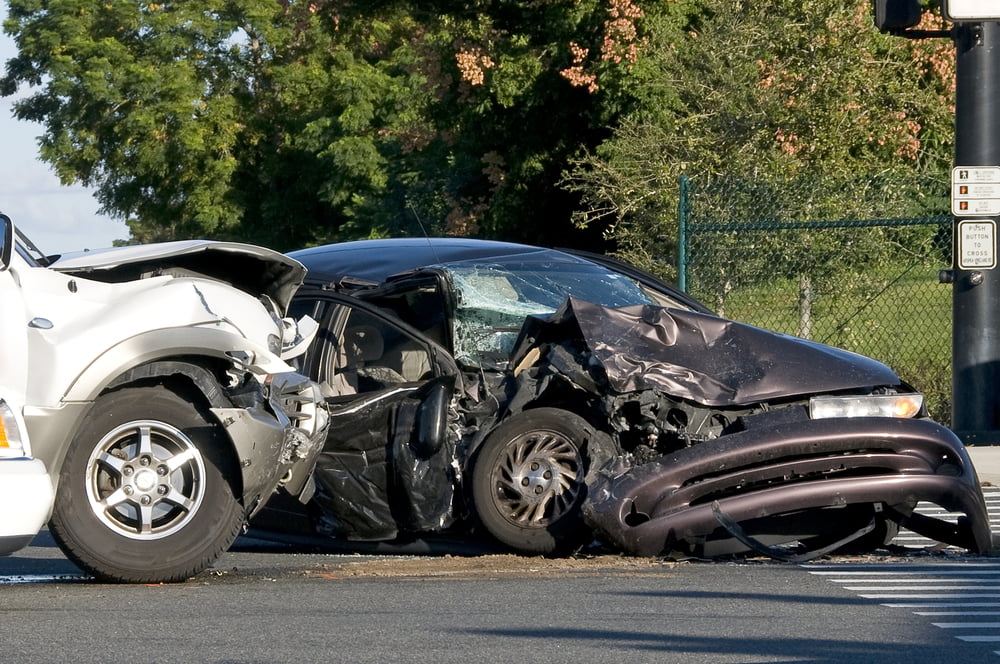
When calculating the value of your case, you need to consider auto insurance, your economic damages, and the severity of any injuries you sustained. The first step toward recovery after most car accidents in Colorado is an auto insurance claim against the at-fault driver’s policy, but these claims can be challenging to manage without legal representation. Additionally, you will need to take further legal action if the at-fault driver’s insurance cannot fully cover your damages.
Dealing With Insurance After an Accident in Colorado
Colorado requires all drivers to carry liability insurance. If another driver caused your recent accident, you must file a claim against their auto insurance policy. This is often more difficult than it seems at first. Insurance companies tend to look for any reasons to deny a claim or reduce a settlement payout. Some insurance companies even use bad faith tactics to dupe claimants into accepting lowball settlements or outright denying legitimate claims.
An experienced attorney can improve your experience with an auto insurance claim. Your legal team can help you gather the evidence you need to support your claim and file your demand letter to the other driver’s insurance company. Once they see you have legal representation, they will automatically become more agreeable to your situation, and you should receive a settlement check within a few weeks or a month or two. In addition, once you settle with the insurance company, your attorney can help you calculate the additional damages you can seek from the other driver that insurance will not cover.
Economic Damages
Colorado state law allows an injured car accident victim to hold an at-fault driver accountable for the economic damages they cause. These are generally easy to calculate and include measurable economic losses resulting from the at-fault party’s actions. Therefore, your economic damages are likely to include:
- Medical treatment costs. If you suffered severe injuries in your car accident, the at-fault driver is not only responsible for immediate medical expenses like hospital bills and emergency transportation fees but also the cost of any long-term treatment you require. Your attorney can help you calculate the full scope of medical expenses that auto insurance will not cover and include these in your civil claim.
- Lost income. You may be unable to work for a long time after your accident, and the defendant in your case is responsible for the income you lose during this time. Additionally, you have the right to hold the at-fault driver accountable for your long-term lost income if you develop a permanent disability that prevents you from returning to your job.
- Property damage. Colorado law requires every driver’s auto insurance policy to provide at least $15,000 in property damage liability coverage. However, if the actual value of your vehicle is beyond this threshold, you can hold the defendant accountable for any property damage you sustained that exceeds the scope of their property damage liability coverage.
If an at-fault driver only has a minimum coverage auto insurance policy and causes a severe accident, it is very possible for the victim’s economic damages to exceed the at-fault driver’s coverage limits. Additionally, an injured driver will also have the right to seek non-economic damages.
For a broader look at the types of compensation available, see CGH’s guide to Colorado car accident injury claims and the seven types of car accident compensation available to injured drivers.
Pain and Suffering
Colorado law allows the victim of a personal injury to seek compensation for physical pain and psychological distress. For example, a car accident can be a traumatic experience that causes painful injuries, and the defendant is responsible for the severity of the plaintiff’s experience. Colorado caps non-economic damages such as pain and suffering under C.R.S. 13-21-102.5, with the specific limit depending on when the claim accrued: for claims accruing on or after January 1, 2025, the cap is $1,500,000 with no doubling mechanism; lower, inflation-adjusted caps apply to earlier claims. Damages for permanent physical impairment or disfigurement are not subject to this cap at all, and economic damages are never capped.
To understand how fault is determined and how your share of fault affects your recovery, see CGH’s guide on comparative negligence in Colorado.
Frequently Asked Questions
How much should I settle for after a car accident?
You have the right to hold the at-fault driver accountable for all losses they caused. If you are having trouble calculating the full scope of your claimable damages from a car accident, it is important to consult a personal injury attorney as soon as possible. Your legal team can maximize the compensation you receive from insurance and build a civil claim to recover the remaining damages.
How is pain and suffering calculated in Colorado?
The cap on pain and suffering depends on when the claim accrued. For claims accruing on or after January 1, 2025, the limit is $1,500,000 under C.R.S. 13-21-102.5 with inflation adjustments beginning in 2028 and no doubling mechanism; lower, inflation-adjusted caps applied to earlier claims. In most cases, an attorney will also multiply their client’s medical expenses by two to five as a starting point for calculating pain and suffering, depending on the seriousness of the injury. If the plaintiff suffered any permanent physical impairment or disfigurement from the accident, those damages are not capped at all under C.R.S. 13-21-102.5(5). The specific limit that applies to your case turns on your accrual date, so confirm the figure with an attorney early.
Is it worth it to sue after a car accident?
If another driver caused your recent car accident and you suffered significant losses, their insurance may not be enough to fully compensate you. If you are unsure whether a lawsuit would be appropriate in your situation, it is best to consult an experienced lawyer as soon as possible to discuss your legal options beyond insurance.
Discuss Your Car Accident Claim With CGH
It is natural to have legal questions after experiencing a damaging car accident that someone else caused. Cheney, Galluzzi & Howard has years of experience guiding Colorado clients through complex car accident claims, and we are ready to put this experience to work for you. To discuss your legal options with an experienced Denver car accident lawyer, contact us today and schedule a case review.
Call (303) 209-9395 or send the details online. Ask CGH for current consultation, fee, cost, and language-access terms during intake.
This article is general information for Colorado injury readers. It is not legal advice, does not create an attorney-client relationship, and does not promise that any deadline, rule, or outcome applies to your case. Statute-of-limitations, comparative negligence, insurance, and compensation questions require case-specific legal review.
Related articles
-
No Denver Wrongful Death Lawyer Can Tell You the Odds. Here Is What They Can Tell You
Colorado’s wrongful death rules were changed by House Bill 24-1472, signed June 3, 2024 and effective January 1, 2025. Who may sue depends on whether you are in…
-
What It Really Costs to Hire a Denver Truck Accident Lawyer, Line by Line
Injury work in Colorado is usually done on a contingent fee, which ties the fee to the outcome rather than billing you up front. The rule allows a…
-
Can I Sue if a Car Hit Me in a Denver Crosswalk?
Colorado law allows a person injured by another’s negligence to bring a civil claim for their losses. Whether a particular crosswalk collision supports such a claim depends on…