- Colorado drivers can lose their license for DUI conviction, refusing a chemical test, hit-and-run, unpaid traffic tickets, driving without insurance, and unpaid child support.
- Driving without a valid license is typically a class 2 misdemeanor in Colorado, carrying up to 90 days in jail, though judges can grant conditional probation for first offenses.
- Drivers whose licenses are suspended for DUI or other offenses may qualify for a restricted license allowing travel to work and necessary errands.
Every driver has various rights and responsibilities for maintaining their driving privileges, and losing your license can be a tremendous problem in various ways. However, if you have lost your license for any reason, it is never worth risking the penalties associated with driving with a suspended or revoked license. Unless you must drive for a life-or-death emergency, you could face even harsher penalties.
Most Common Reasons for Loss of Driving Privileges
A driver could lose their license in many ways. A few of the most commonly cited causes of loss of driving privileges in the state include:
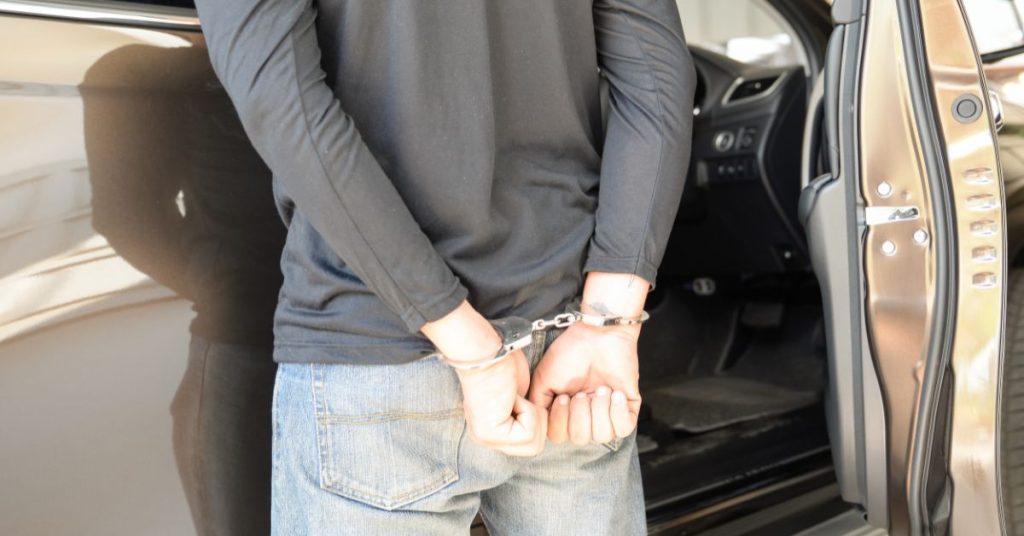
- Conviction of driving under the influence (DUI). It is illegal for anyone to operate a vehicle while under the influence of alcohol or drugs. The penalties for this offense include not only driver’s license suspension but also fines and potentially jail time. Penalties increase if a convicted driver has a record of past DUI offenses and/or causes bodily harm or death while driving under the influence. If a DUI driver injured you, CGH’s DUI accident practice page explains how these cases work.
- Refusing a chemical test after a lawful DUI arrest. In Colorado, all licensed drivers give their implied consent to chemical testing and field sobriety testing if they are suspected of DUI. While some states do not require drivers to submit to preliminary alcohol screenings, the state’s implied consent law extends to field sobriety testing and other preliminary alcohol screenings, which may then be used to confirm a driver’s intoxication level.
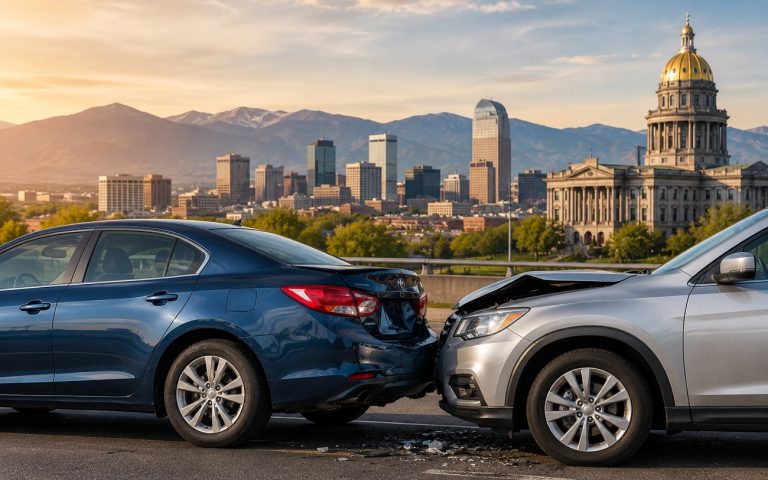
- Conviction of hit-and-run or fleeing the scene of a car crash. If a driver causes an accident and flees, this is a hit-and-run offense. They face liability for the damage they caused to others as well as criminal prosecution. An element of their sentence is likely to be a driver’s license suspension or revocation, depending on their criminal record and the severity of the offense in question. Learn more on CGH’s hit-and-run accidents page.
- Unpaid traffic tickets. A traffic ticket may seem like a minor offense, but the penalties for these offenses can add up quickly when a driver neglects or refuses to pay the associated fines. In addition, a traffic citation will lead to demerit points on their license, and too many points will result in an automatic license suspension.
- Driving without auto insurance. Every driver must have auto insurance that meets the state’s minimum coverage requirements. If you are stopped by a police officer and cannot provide proof of insurance, it is likely you will have your license suspended until you can produce proof of acceptable insurance coverage.
- Unpaid child support. If you are found guilty of nonpayment of court-ordered child support, an element of your penalty could be a driver’s license suspension. This suspension will typically last until you repay what you owe, but it can be extended under certain conditions.
Once you have had your driver’s license suspended in the state, the traffic court judge handling your case will provide you with instructions for qualifying for reinstatement. Depending on the nature of the offense or offenses that led to the suspension, you may need to complete a probation period, pay restitution to anyone you have harmed, complete a driver safety course, or attend a substance abuse rehabilitation program. Judges that handle license revocations typically tailor defendants’ sentences to the specific details of their offenses. Regardless of what your individual case entails, it is best to consult a defense attorney you can trust to have the best chance of mitigating the penalties associated with the loss of your license.
If you were injured in a crash caused by a driver without a valid license, that is a key fact in your personal injury case. Colorado’s car accident practice page explains how driver violations affect liability and compensation.
Frequently Asked Questions
What should I do if I was cited for driving without a license?
If you were caught driving without a driver’s license, there are few options available aside from accepting responsibility for your actions and facing the resulting penalties. However, if you were compelled to drive without a license in an emergency situation, the court may be willing to waive the penalty as long as you acted in good faith. Whether you are guilty or believe you have grounds to fight the charge, it’s best to consult a traffic violations attorney who can defend you and potentially assist you in minimizing your penalty.
How do you avoid jail for driving without a license?
Driving without a valid license is typically considered a class 2 misdemeanor, and the defendant could face up to 90 days in jail. However, judges in traffic court have the discretionary power to modify a defendant’s sentence under certain conditions. For example, most judges are willing to recommend conditional probation in lieu of jail time for first offenses. However, if the driver caused harm while driving without their license or has a history of similar offenses, it is unlikely for the judge to consider alternative sentencing.
How can I drive after losing my driver’s license?
If your driver’s license was suspended or revoked for a DUI or other offense in the state, you might be able to petition for a restricted license if you meet certain criteria. A restricted license would allow you to drive to and from work and handle necessary errands. However, there are strict rules you must follow if you are approved for a restricted license, and any failure to abide by those rules can result in serious penalties.
Is it worth hiring an attorney for traffic court?
If you are faced with a ticket, even if you are not at risk of losing your driver’s license, it is worth contesting the ticket with the help of an attorney. Paying the fine does not necessarily resolve the issue; this amounts to admitting guilt for the offense. This could lead to demerit points on your driver’s license as well as financial penalties like increased auto insurance premiums.
Questions About a Car Accident or Traffic Offense? Contact CGH.
The attorneys at Cheney, Galluzzi & Howard offer comprehensive personal injury representation. If you have legal questions about a recent car accident or have any concerns about losing your license in response to a recent traffic offense, contact us today to schedule a consultation and learn more about the legal options available to you in these situations.
Call (303) 209-9395 or send the details online. Ask CGH for current consultation, fee, cost, and language-access terms during intake.
This article is general information for Colorado injury readers. It is not legal advice, does not create an attorney-client relationship, and does not promise that any deadline, rule, or outcome applies to your case. Statute-of-limitations, comparative negligence, insurance, and compensation questions require case-specific legal review.
Related articles
-
How Long After an Accident Can You Sue in Denver?
Colorado sets different deadlines for different kinds of injury claims. There is no single number. A crash involving a motor vehicle gets three years. A fall in a…
-
Average Wrongful Death Settlement in Colorado: What Families Need to Know in 2026
If someone handed you a number and told you it's what your family's loss is worth, you deserve to know whether that number is anywhere close to fair.
-
How to Protect Your Bicycle Accident Claim in Colorado: A Step-by-Step Guide for Injured Cyclists
You've been through something traumatic. Your bike may be destroyed. Your body hurts in ways you don't fully understand yet. And somewhere in the blur of the last…